

Assignment and Assumption in Semi Truck Financing: Selling a Truck While Leased On to a Carrier
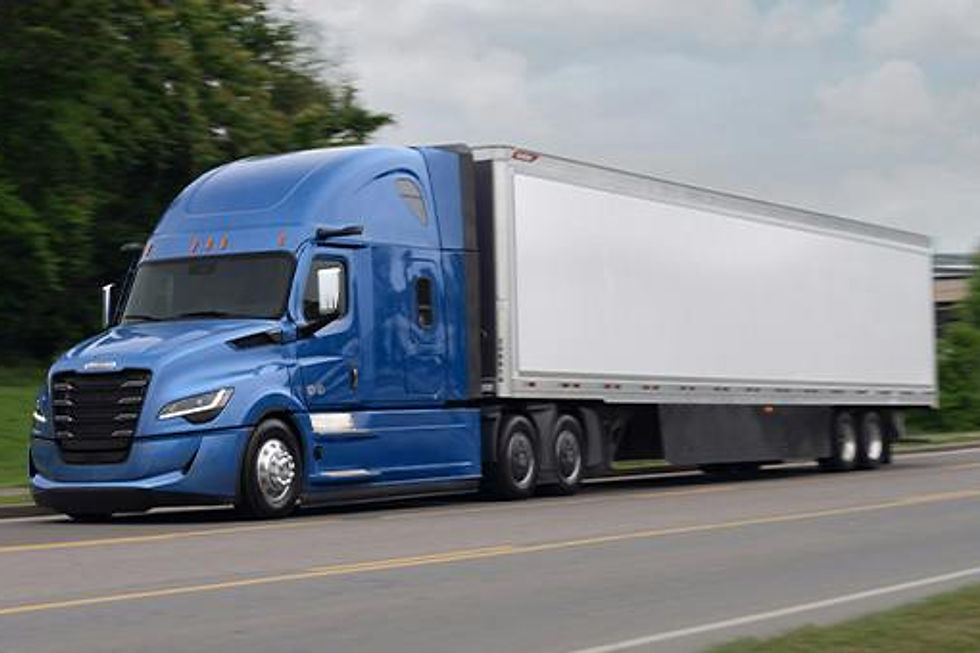
An owner-operator selling a financed Freightliner Cascadia to another driver runs into a question that doesn't come up the same way in most other equipment sales: the truck isn't just collateral on a loan, it's also typically operating under a specific motor carrier's DOT authority through a lease-on agreement. Selling the truck means untangling both the semi truck financing and the carrier relationship at the same time, and getting the order of operations wrong on either piece can stall a sale that should have been straightforward.
What Assignment and Assumption Covers, and What It Doesn't
An assignment and assumption clause in your semi truck financing agreement spells out whether a buyer can take over your existing loan rather than you paying it off and the buyer arranging new financing. When a lender approves an assumption, the buyer formally steps into the remaining loan obligation after their own credit and background review, and the seller is typically released from further liability once the lender signs off. This is the financing side of the transaction, and it's a separate question entirely from whether the buyer can also step into your lease-on relationship with your current carrier.
Why the Carrier Relationship Complicates This More Than a Straight Sale
If you're leased on to a motor carrier, your settlement history, your safety record under that authority, and your specific lease-on agreement with the carrier are all separate from the truck's financing. A buyer taking over your Cascadia doesn't automatically inherit your spot with the carrier, your freight assignments, or your settlement rate. In many cases the buyer needs to apply and qualify with the carrier independently, on their own driving record and qualifications, even if the truck sale itself goes through cleanly on the financing side. We've covered how carrier agreements interact with financed equipment more broadly in our article on fleet liquidation auctions for semi trucks, and the lease-on relationship is one more layer worth untangling carefully before you commit to a sale timeline.
What a Lender Looks At Before Approving an Assumption
A lender considering an assumption on a Cascadia loan is essentially underwriting the buyer fresh, even though the truck and the note stay the same. For an owner-operator buyer, that typically means a credit check, a look at their driving record and experience, and increasingly a look at whether they already have a carrier relationship lined up or are buying the truck speculatively before securing one. A buyer who already has a signed lease-on agreement with a reputable carrier in hand is a meaningfully stronger assumption candidate than one without a clear plan for how the truck will actually generate revenue once the sale closes.

The UCC-1 Filing and the Lease-On Agreement Are Separate Paperwork Trails
Just as with any financed truck, the UCC-1 lien filed against your Cascadia needs to be formally amended if the loan is assumed, or released through a termination statement if it's paid off at sale. None of that paperwork touches your lease-on agreement with your carrier, which is a completely separate contract that needs its own resolution: either formally assigned to the buyer if the carrier allows it, or terminated with you and newly originated with the buyer if it doesn't. Treating these as a single bundled process, rather than two parallel paperwork trails that both need to close out cleanly, is where sales between owner-operators most often get stuck.
Don't Forget the Personal Guarantee on Your Note
Most owner-operator financing on a Cascadia-class tractor carries a personal guarantee on top of the UCC-1 lien, and that guarantee doesn't disappear automatically just because the truck is sold or the loan is assumed. If a buyer assumes the loan, the selling owner-operator should get explicit written confirmation from the lender that the original personal guarantee has been released, not simply an acknowledgment that the buyer is now making payments. Skipping this step can leave a retired or exiting owner-operator still personally on the hook for a truck they no longer own or control, which defeats much of the point of selling in the first place.
What Happens If the Carrier Says No
Not every carrier allows a straightforward handoff of a lease-on slot, and some carriers have policies against transferring a settlement history or safety record from one driver to another regardless of who owns the truck. When that's the case, the buyer effectively starts fresh with the carrier as a new applicant, subject to whatever onboarding timeline and requirements apply to any new owner-operator. This doesn't prevent the truck sale itself from closing, but it does mean the buyer may have a gap between taking ownership of the Cascadia and actually generating revenue with it, which is exactly the kind of timing detail that should be sorted out and priced into the deal before the sale closes, not discovered afterward.
Timing the Two Processes So Neither One Stalls the Other
Because the financing assumption and the carrier onboarding run on separate clocks, often with separate paperwork, separate point of contact, and separate approval timelines, it's worth mapping both out explicitly before setting a closing date. A lender's assumption review might take two to three weeks, while a carrier's onboarding process for a new owner-operator might take longer or shorter depending on their own procedures. Setting a closing date based on only one of these processes, and assuming the other will simply fall into line, is a common way these sales end up taking far longer than either party expected.
A Checklist Before Selling a Financed Tractor You're Leased On With
Confirm with your lender whether assumption is available on your specific note before you price the sale.
Ask your carrier directly what their process is for a buyer taking over your truck, separate from the financing question.
Get a current payoff quote in writing as a fallback, even if you expect assumption to be approved.
Confirm what happens to your UCC-1 filing under each financing scenario.
Make sure the buyer understands they may need to qualify with the carrier independently, on their own timeline, not the financing timeline.
The Florida Angle: A Lot of Owner-Operator Turnover Happens Here
Florida's freight market, with its mix of agricultural, import, and distribution volume, supports a large population of owner-operators, and the state sees a steady flow of trucks changing hands as some operators retire, scale up into small fleets, or exit the industry for other reasons. Carriers with a significant Florida-based owner-operator base often have well-worn onboarding processes precisely because they handle this kind of transition regularly, which can actually make the carrier side of a Florida truck sale move faster than the same transaction might in a market with less owner-operator turnover and a carrier less practiced at the process.
Real-World Example: An Owner-Operator Retiring From the Road
Consider an owner-operator who's run a Freightliner Cascadia leased on to the same regional carrier for six years and is ready to retire, selling the truck to a younger driver who's been running team with a friend and wants their own authority under the same carrier. If the lender approves the assumption, the buyer inherits the existing note's remaining term, which can be an attractive deal if the original terms were favorable. But the buyer still has to go through the carrier's own onboarding process independently, since the carrier isn't obligated to simply transfer the retiring owner-operator's settlement history, safety score, or lease-on terms to a new driver just because the truck changed hands. Running both processes in parallel, with clear communication between all three parties, is what keeps this kind of sale from stretching out for months.
It's worth pointing out that this same two-track problem shows up in reverse for a buyer evaluating a used truck purchase from an owner-operator, not just for the seller trying to exit cleanly. A buyer who assumes everything will fall into place because the truck itself has a clean financing picture can be caught off guard by a carrier onboarding process that takes longer than expected, especially if they're counting on that truck to start generating income on a specific date to cover the new payment. Asking the carrier directly, early in the process, what their actual onboarding timeline looks like for a new owner-operator is a simple step that protects both sides of the transaction.
Semi Truck Financing for Owner-Operators and Fleets, Nationwide
Whether you're buying a truck from a retiring owner-operator, selling your own rig to move on to something else, or scaling a fleet through acquisition, we work with carriers and independent operators nationwide at every stage. For more on how BFC approaches semi truck financing broadly, visit our semi truck financing page.
Ready to Move Forward?
Every deal above started with a conversation, not a credit score headline. If you're ready to talk through financing for your next truck, visit our home page to learn more about BFC, or go straight to our equipment financing application to get started today.
If you're buying or selling equipment outright, check out our equipment marketplace for current listings. And if you'd like more deep-dives like this one, subscribe to our newsletter for new articles every day.


Comments