

Cash-Out Refinancing a Paid-Off Wheel Loader: Unlocking Equity From a John Deere 824 P-Tier Without Switching to a Lease
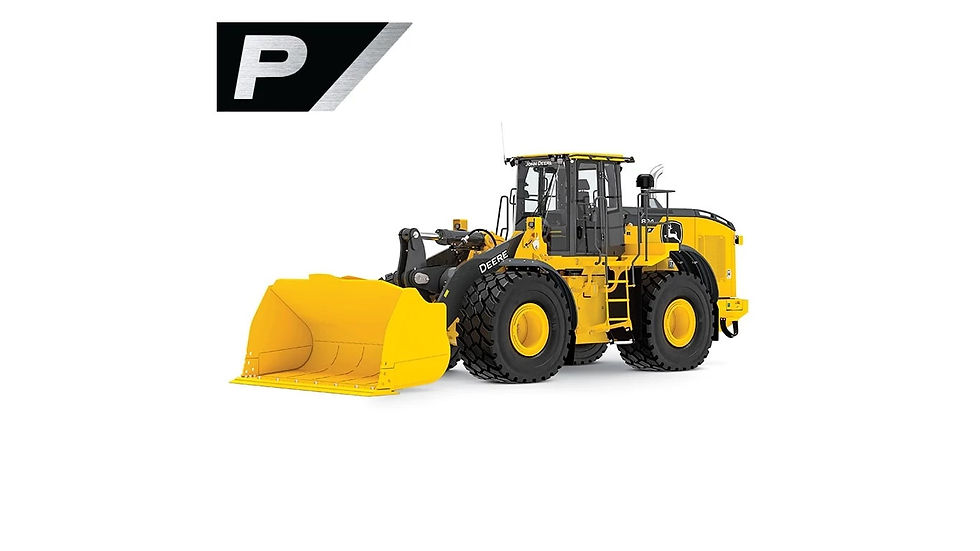
A John Deere 824 P-Tier that's been fully paid off for a couple of years is more than just a working machine -- it's equity sitting idle on the balance sheet. Cash-out refinancing is the wheel loader financing strategy that unlocks that equity as usable cash, without selling the machine and without switching a business that prefers ownership into a lease structure it never wanted.
What Cash-Out Refinancing Actually Means
Cash-out refinancing on equipment works the same way it does on a building: a lender places a new loan against an asset you already own outright, and you receive the loan proceeds in cash rather than using them to buy the equipment itself. The 824 P-Tier becomes the collateral for new money, while you keep operating it exactly as you did before -- same machine, same jobsite, just a new loan sitting against it where there used to be none.
Why a Business Does This Instead of Just Taking Out a New Loan
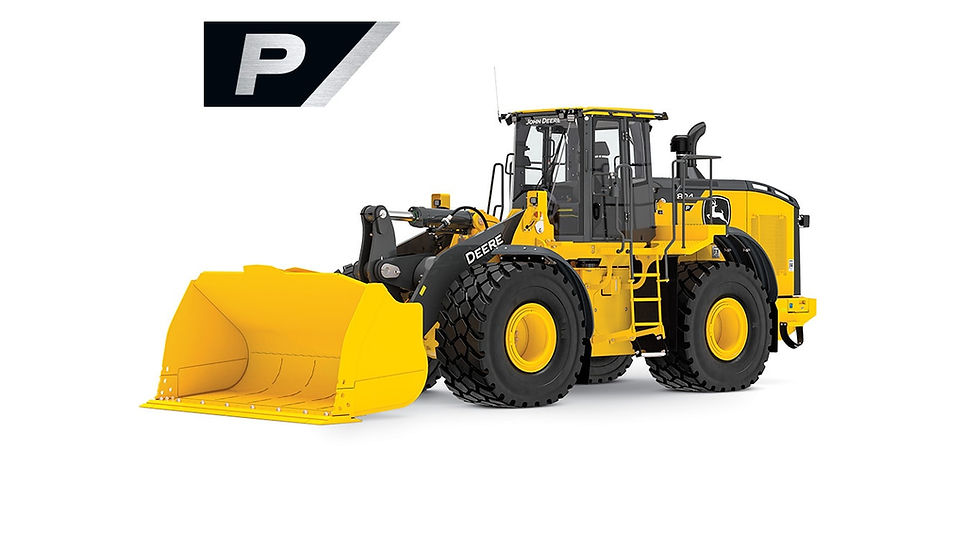
A business with decent cash flow but limited unencumbered collateral often finds a cash-out refinance easier to qualify for than an unsecured working-capital loan, because the 824 P-Tier itself is doing the heavy lifting on collateral rather than the lender relying purely on the business's financials. It's also typically faster and cheaper than other forms of borrowing against a paid-off asset, since equipment lenders are set up specifically to value and lien machinery like this.
What the Money Typically Gets Used For
Working capital through a slow season, letting a grading or aggregate business cover payroll and overhead without touching its operating line of credit.
A down payment on additional equipment, using the 824's unlocked equity to fund the deposit on a second machine rather than draining cash reserves.
Paying off higher-cost debt, consolidating a more expensive short-term loan or credit card balance into a longer-term, equipment-secured facility.
Covering an unexpected expense, from an equipment breakdown elsewhere in the fleet to a tax bill that came in larger than expected.
How Much Equity Is Actually Available
A lender will order or estimate a current fair market value on the 824 P-Tier and lend against a portion of that value, not the machine's original purchase price. A well-maintained, moderately used 824 P-Tier with clean service records and low hours will generally unlock more usable equity than the same model with heavy wear or deferred maintenance. The exact advance rate a lender will offer isn't published and depends on the specific machine's condition and the strength of the overall application -- there's no substitute for getting an actual appraisal and quote.
Why This Doesn't Require Switching to a Lease
Some business owners assume that unlocking equity from owned equipment means giving up ownership -- trading the 824 P-Tier into some kind of lease or sale-leaseback structure. A cash-out refinance isn't that: you keep title to the machine the entire time, you're simply borrowing against equity you've already built through years of payments or an outright cash purchase. For an owner who specifically values owning their fleet outright, this is often the more comfortable path compared to a sale-leaseback that technically transfers title even temporarily.
The Trade-Off Worth Understanding Up Front
The obvious trade-off is that a machine that was generating zero monthly payment now carries one again. That's a real cost, and it only makes sense if the cash unlocked is being put to productive use -- funding growth, smoothing cash flow through a genuinely slow stretch, or avoiding more expensive debt elsewhere. Pulling equity out of a paid-off 824 P-Tier just because the option exists, without a clear plan for the money, recreates a payment obligation for no real benefit, and it's worth treating this decision with the same discipline you'd apply to financing a brand-new machine rather than as a casual, low-stakes move simply because the equipment is already yours.
Confirm the Tax Treatment With Your Accountant
Refinancing a paid-off wheel loader can have real implications for how the machine continues to be depreciated and how any prior Section 179 deduction interacts with the new loan, particularly if the cash-out proceeds get used for a purpose unrelated to the equipment itself. Confirm the specifics with your tax professional before assuming the refinance is tax-neutral -- the details depend on your original purchase structure and how the new loan is documented.
What Lenders Want to See Before Approving
Expect to provide the same core documentation as any equipment financing request: business tax returns, a current profit-and-loss statement, proof of clear title on the 824 P-Tier, and recent maintenance records if available. Lenders also want a sense of what the cash-out proceeds will actually be used for, since a vague answer makes the request harder to underwrite than one tied to a specific, credible business purpose.
Timing It Around Your Equipment's Age
There's a practical window for this strategy. A relatively young, low-hour 824 P-Tier will generally unlock more equity and qualify for better terms than one approaching the end of its useful service life, where a lender's valuation naturally comes down. Businesses considering this route are often better served doing it a few years after payoff, while the machine still holds strong resale value, rather than waiting until it's aging out of the fleet.
Who Runs Into This Most Often
Site-development contractors, aggregate and quarry operators, and landscaping supply yards that bought an 824 P-Tier outright or paid off its original loan years ago are the businesses most likely to find real value in this strategy -- particularly when they're growing and need capital but don't want to dilute ownership of their equipment or take on an unsecured loan at a higher cost. If a paid-off machine is sitting on your balance sheet doing nothing but working, it's worth at least getting a quote on what it could unlock.
How This Compares to a Traditional Equipment-Backed Line of Credit
Some lenders offer a revolving line of credit secured by owned equipment instead of a single lump-sum cash-out loan, and it's worth understanding the difference before choosing between them. A cash-out refinance delivers one fixed amount with a set payment schedule, which suits a known, one-time need like a down payment or a specific working-capital shortfall. A revolving line secured by the same 824 P-Tier gives more flexibility to draw and repay as needs change, but often carries a variable structure and may be harder to qualify for than a straightforward term refinance. Which one fits depends on whether the business knows exactly how much it needs right now, or expects a recurring, less predictable need over time.
What Happens If the Business Later Wants to Sell the Machine
Pulling equity out of the 824 P-Tier through a cash-out refinance means the machine is no longer lien-free, which matters if the business plans to sell or trade it in before the new loan is paid down. Any sale proceeds would need to satisfy the new loan balance first, the same as they would on any financed piece of equipment. This isn't a reason to avoid the strategy, but it's a detail worth factoring in if a near-term sale or trade-in of the loader is already part of the business's plans -- the refinance effectively resets the machine's status from unencumbered to collateralized.
How Multiple Paid-Off Machines Change the Calculation
A business with more than one paid-off machine -- say an 824 P-Tier and an older compact track loader sitting free and clear -- has a choice about which asset, or combination of assets, to pull equity from. Lenders will generally prefer the newer, higher-value machine as collateral, since it supports a larger loan amount and holds its value longer, but spreading the lien across two machines in a single facility is sometimes an option worth asking about if the amount needed exceeds what one machine alone can comfortably support. This is a conversation best had directly with a lender who can model out the options against the business's actual equipment list rather than guessing at advance rates in the abstract, and it's worth bringing a full, honest inventory of paid-off equipment to that conversation rather than assuming only the newest machine is worth mentioning.
Related Reading
For more on how a financed 824 P-Tier can still qualify for a full Section 179 deduction, see our Section 179 wheel loader financing guide. To understand what changed in this generation of the machine, our John Deere 824 P-Tier vs. 824K-II breakdown covers it in detail. You can also browse our current wheel loader financing programs.
Ready to Move Forward?
BFC Equipment Loans works with construction, excavation, and site-development businesses nationwide to structure equipment financing around the way a company actually runs, not a generic template. Visit our home page to see the full range of equipment we finance, or go straight to the equipment financing application to get a real answer on your file. If you're also buying or selling used iron, browse our equipment marketplace, and if you want more breakdowns like this one, subscribe to the blog.



Comments