

Financing a Dozer's Blade and Ripper Package Separately From the Machine
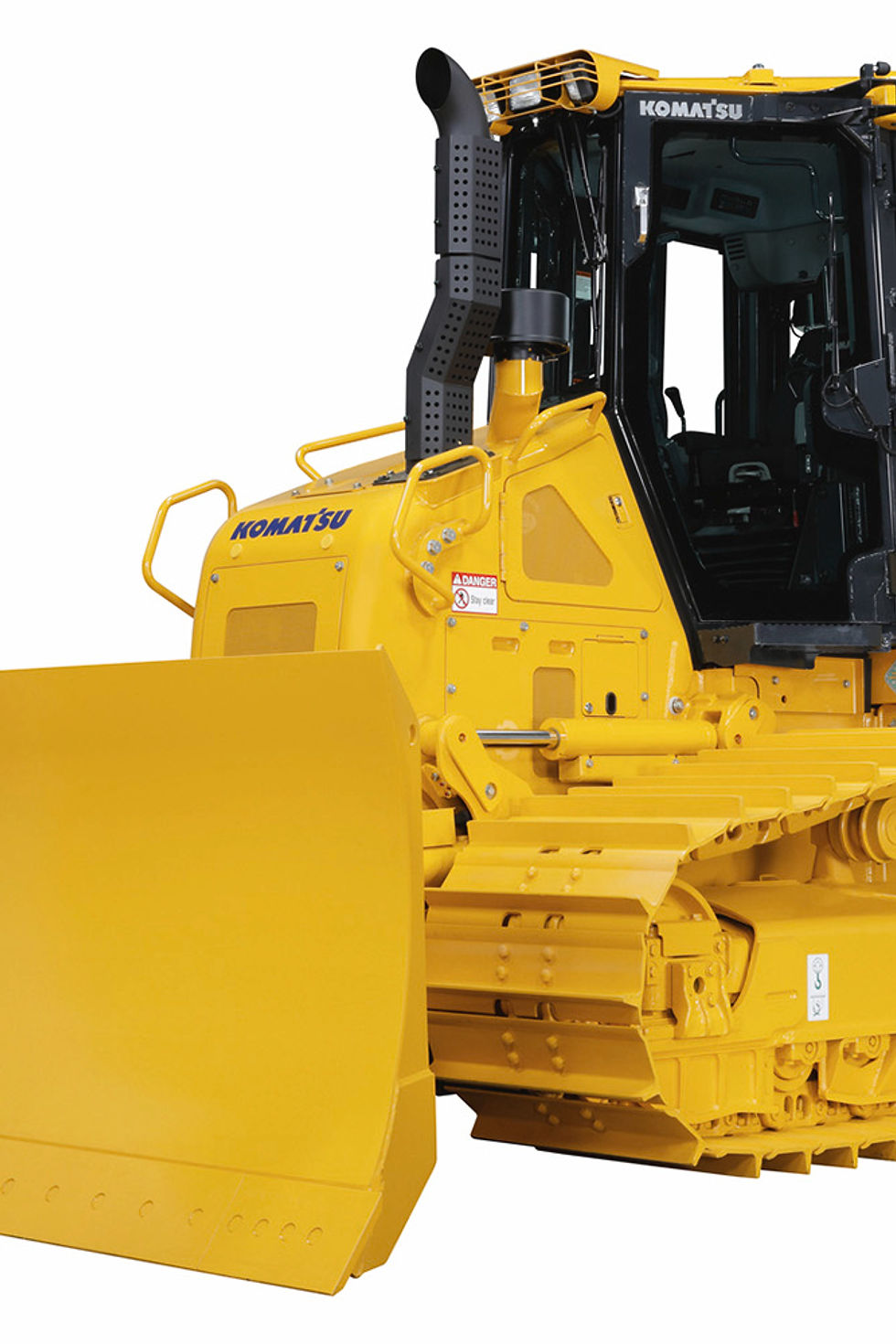
A dozer doesn't carry the long attachment list a skid steer or excavator does, but what it does carry is expensive: a semi-U or U-blade upgrade, a multi-shank ripper for breaking up rock and hardpan, or a winch for logging and steep-slope work can each run into real money on their own. A grading contractor who financed a Komatsu D51PX-24 with a standard blade last year, and now needs a ripper for a rock-heavy site-prep job, is facing a genuinely separate financing decision, not a renegotiation of the original dozer financing.
That separation is actually good news. A standalone blade or ripper loan is typically a smaller, faster transaction than the original machine purchase, and it doesn't require touching the note or the lien already in place on the dozer itself. Understanding how that works before you call your lender puts you in a stronger position to get the attachment financed on terms that make sense.
Why a Dozer's Attachments Are Fewer but Bigger-Ticket
Where a skid steer might run a dozen different attachments across its working life, a dozer's attachment list is short and mostly built around three things: the blade itself, which can be upgraded or swapped between styles as job types change; a ripper, bolted to the rear of the machine for breaking up rock, frozen ground, or compacted hardpan ahead of the blade; and, on machines working logging or utility right-of-way clearing, a winch for pulling and controlled felling work. Each of these can run a meaningful fraction of the dozer's own price, which is why they deserve the same financing discipline as the machine itself rather than being paid out of working capital.
Because the list is short, contractors sometimes assume these attachments always come bundled with the machine at purchase. In practice, many dozers are bought with a standard blade and no ripper or winch at all, since not every job needs one, and the ripper or winch gets added later, specifically, once a contract calls for it.
New Dozer vs. Used: What Changes for a Future Attachment
A new dozer, whether it's a Komatsu D51PX-24 or a CAT D5, arrives with a documented factory spec sheet covering exactly which ripper classes and blade configurations the machine is rated for, which makes a future attachment purchase a straightforward lookup against the manufacturer's own compatibility chart. A used dozer that's changed hands once or twice sometimes carries a non-factory blade or an aftermarket ripper mount that isn't well documented, which can complicate matching a new attachment to the machine down the road.
That's not a reason to avoid a used dozer, which remains a strong value proposition for many contractors financing their first machine; it simply means confirming the exact mounting configuration and rated attachment classes in writing at the time of the original dozer financing, so a future ripper or winch purchase is a clean compatibility check rather than a guessing game.
What Secures a Standalone Blade or Ripper Loan
The collateral on an after-the-fact attachment loan is the ripper, blade, or winch itself, and the lender files a UCC-1 against that specific piece of equipment rather than against the dozer or any blanket lien already covering it from the original dozer financing. Because rippers and winches are serialized, identifiable pieces of equipment with real resale markets of their own, lenders generally treat them as legitimate standalone collateral, not just an accessory riding along on someone else's loan.
Expect the lender to ask for the attachment's fair market value, confirmation of compatibility with your specific dozer model and its hydraulic or mechanical linkage, and basic underwriting on your business. Because the ticket is usually smaller than the dozer itself, the file tends to move faster than the original machine's application did.
Who Actually Needs a Ripper or Winch Added Later
Site-prep and grading contractors are the most common buyers of a standalone ripper, usually the moment a job turns up rock, caliche, or compacted hardpan that a standard blade alone can't efficiently move. Rather than guessing at every future job's ground conditions when they first buy the dozer, many contractors finance the base machine with a standard blade and add the ripper only once a specific contract actually requires one, keeping the ripper's cost tied to a job that's already generating revenue.
Land-clearing and forestry-adjacent contractors follow a similar pattern with winches, added once right-of-way clearing, selective logging, or steep-slope work becomes a real part of the business rather than a one-off job. Utility companies and their contracted crews sometimes add a winch package specifically for pole-line or pipeline right-of-way work, where controlled pulling matters as much as the dozing itself.
Credit History and Co-Signer Considerations
A contractor with a solid payment record on the original dozer loan is in a meaningfully stronger position when they come back for a ripper or blade upgrade, since the lender is reviewing an established account rather than a first-time applicant. That track record commonly translates into a faster decision and a lighter deposit ask on the smaller attachment ticket than the dozer itself required.
For a newer business whose dozer financing hasn't built up much history, or whose personal or business credit file is still thin, a co-signer can still be the difference between an approval and a decline on the attachment loan, the same as it would be on any other piece of equipment financing. Our breakdown of exactly what a dozer financing co-signer is exposed to covers that real obligation before anyone signs onto someone else's note, whether it's for the machine itself or an attachment riding alongside it.

An Illustrative Look at the Numbers
Purely as an illustration, a standalone ripper or blade-upgrade loan tends to start from a lighter deposit position than the original dozer did, since the collateral value, and therefore the lender's exposure, is meaningfully smaller. A ripper or winch can also sometimes qualify for the same Section 179 expensing treatment the dozer itself received when it was placed in service, which is worth a direct conversation with your tax professional before you file, since eligibility depends on your specific business structure and how the attachment gets used.
None of this replaces a real quote from your lender on your specific equipment and credit profile. It's here to explain why most contractors find the second financing conversation, on the attachment, meaningfully easier than the first one was on the machine.
A Quick Gut-Check Before You Add a Ripper or Winch
Confirm the attachment is rated for your specific dozer model's class and mounting configuration before you shop
Get an independent fair-market-value quote on the ripper, blade, or winch itself, not a bundled package price
Have your existing dozer financing payment history ready; it speeds up underwriting on the new loan
Ask whether your lender files a new UCC-1 on the attachment or amends the filing already in place on the dozer
Weigh the smaller loan's deposit and term against paying cash outright if the attachment's price is modest
Don't Rent a Ripper You're Going to Need Again
Renting a ripper or a winch attachment for a single job can make sense the very first time a rock-heavy site catches a contractor by surprise. It stops making sense the second or third time the same scenario happens, since rental margins are built to favor the yard, not the business renting from it, and nothing about a rental builds the kind of financing track record or equity that ownership does. A contractor who finds themselves renting the same ripper more than once in a year has usually already paid enough in cumulative rental fees to justify financing it outright instead.
There's also a scheduling cost to renting that's easy to underestimate: a rented ripper has to be available when the yard has one in stock, not necessarily when your job needs it, and a delay waiting on rental inventory can push a whole phase of a grading job behind schedule. Owning the attachment outright means it's on your trailer, ready, the morning the rock shows up.
Dozers and their attachments also tend to hold value well over time compared to lighter equipment, which makes owning the ripper or winch outright a genuinely sound use of capital rather than a risky bet. If you're also thinking about building out a bigger fleet, our piece on taking your dozer fleet from one machine to a second covers that next step directly, and our general dozer financing resources cover the base-machine side of the equation.
Ready to Move Forward?
BFC Equipment Loans finances yellow iron nationwide for startups and established contractors alike, good credit or bad. Visit our home page to learn more about how we work, or go straight to our equipment financing application to get real numbers for your deal today.
Already have equipment to sell, or looking for your next machine outright? Check our equipment for sale marketplace, where contractors list and browse used yellow iron directly. And if you want more articles like this one delivered as we publish them, subscribe to the BFC blog.



Comments