

Fleet-Scaling Financing for Skid Steers and Track Loaders: Adding a Second Machine Without Overleveraging
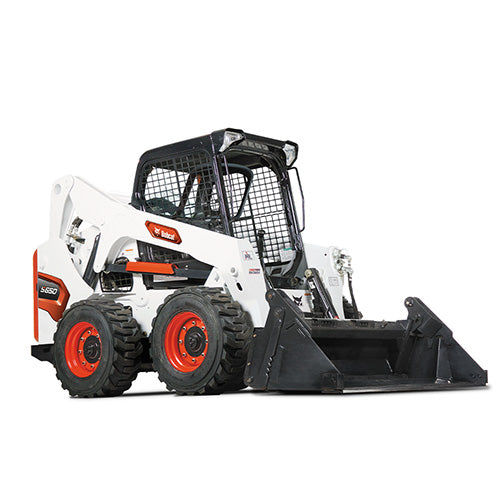
Financing your first skid steer and financing your second one are not the same conversation, even though it's easy to assume the process just repeats. The first machine usually gets judged mostly on your personal credit and the business's early track record. The second -- say, a Bobcat S650 added alongside an existing unit -- gets judged on utilization, cash flow from the business the first machine already helped build, and whether the fleet is actually ready to support two payments. Getting skid steer financing right for machine number two means understanding that shift.
The Utilization Question Comes First
Before a lender even gets to the numbers, the real question behind a second-machine request is whether the first one is actually busy enough to justify a second. A Bobcat S650 running near-continuously on back-to-back jobs, to the point where crews are waiting on equipment rather than the other way around, makes an easy case for adding capacity. A first machine that's frequently idle between jobs is a harder conversation -- the issue there usually isn't financing structure, it's whether the business has enough work lined up to support growth at all.
What Changes in the Underwriting the Second Time Around
A lender evaluating a second skid steer request looks at real operating history on the first machine -- payment performance, how the business actually used the equipment, and whether revenue grew in a way that tracks with adding capacity. This is a meaningfully different picture than a first-time applicant with no equipment-payment history at all, and it usually works in the borrower's favor: a clean payment record on machine one often means faster, easier approval on machine two, sometimes with better terms than the first deal carried.
The Overleveraging Risk, Stated Plainly
The real danger in fleet-scaling isn't the second payment itself -- it's adding that payment faster than the business's actual job volume and crew capacity can support it. Two skid steer payments against work that only really justifies one is the classic overleveraging trap: the machines aren't the problem, the mismatch between capacity and demand is. A contractor who adds a second Bobcat S650 because a competitor has two, or because growth feels inevitable, rather than because specific, booked work requires it, is the profile most likely to end up with an underutilized second machine and a payment that doesn't pencil.
A Simple Gut Check Before You Apply
Is the first machine genuinely busy, not just owned? Utilization, not ownership, is what justifies capacity growth.
Is there specific, bookable work the second machine will do, not a general sense that growth is coming? A named project or a repeat-client pipeline is a far stronger signal than an optimistic forecast.
Can the business absorb a slow month on two payments, not just one? Seasonal and weather-driven work means cash flow isn't perfectly smooth, and a second payment doubles the exposure to a rough stretch.
How Lenders Think About Combined Exposure
Once a business is financing a second machine, most lenders start looking at combined debt service across the whole equipment fleet rather than evaluating each loan in isolation. A Bobcat S650 added on top of an existing skid steer payment gets judged against total monthly equipment obligations versus total cash flow, not just against the new machine's own economics. This is part of why a strong payment history on the first unit genuinely helps -- it's direct evidence the business can carry equipment debt reliably, which offsets some of the lender's natural caution about rising combined exposure.
Structuring the Second Deal Differently From the First
Because the second machine is being evaluated on business performance rather than a cold-start credit file, there's often more room to structure the deal around how the business actually wants to grow -- a slightly longer term to keep payments lower while the second unit ramps up utilization, or a seasonal payment structure if the work is weather-dependent. This flexibility usually isn't available on a first-time application, where the lender is still establishing a baseline comfort level with the business.
When to Lease the Second Machine Instead of Buying
A second skid steer is also a natural moment to reconsider lease versus loan, separate from whatever structure the first machine used. If the second unit is being added to test a new service line or cover an uncertain-duration surge in demand, a lease with a clear end-of-term option can make more sense than committing to ownership on a machine whose long-term role in the fleet isn't fully proven yet. Confirm the tax and accounting implications of either structure with your accountant before deciding, since the right call depends on your specific financial picture and how the first machine is already being treated on your books.
What to Bring When You Apply for Machine Number Two
Beyond the standard documentation -- tax returns, financial statements, a quote on the Bobcat S650 -- it's worth proactively bringing utilization evidence on the existing machine: job logs, invoices tied to specific equipment use, or simply a clear narrative of what work is driving the need for more capacity. Lenders respond well to borrowers who can show their growth, rather than just assert it.
Who Runs Into This Most Often
Landscaping companies, hardscape and excavation subcontractors, and small general contractors expanding crew count are the businesses most commonly facing this exact decision, because skid steer and track loader work scales naturally with crew headcount in a way that larger, more specialized equipment often doesn't. A business adding its second or third compact machine within a year or two of the first is squarely in fleet-scaling territory, and getting the utilization math right before applying is what keeps that growth financially sound rather than financially strained.
Attachments Change the Utilization Math Too
A detail that's easy to overlook when deciding whether a second Bobcat S650 is justified: sometimes the real capacity problem is attachments, not machines. A single skid steer constantly swapping between a grapple, a trencher, and a broom across different jobs in the same week may be creating its own bottleneck that a second attachment set -- not a second machine -- would solve more cheaply. Before financing a whole second S650, it's worth honestly separating whether the business needs more horsepower on the ground simultaneously, or just more flexibility to run different attachments without constant swap time eating into billable hours.
Seasonal Businesses Should Size the Second Machine Around the Slow Months, Not the Busy Ones
A landscaping or hardscape business that's extremely busy for eight months and quiet for four should size a second machine's payment around what the slow months can realistically support, not around peak-season cash flow. It's tempting to justify a second S650 based on how busy the summer looks, but the payment runs every month regardless of season. A lender evaluating combined debt service will generally want to see that the business can carry both payments through its own historical slow stretch, not just during the months when revenue is strongest.
New vs. Used for the Second Machine
Fleet-scaling doesn't have to mean buying new every time. A second Bobcat S650 purchased used, with a documented service history, can be a genuinely efficient way to add capacity at a lower monthly payment than a new-machine purchase would carry -- which matters directly to the overleveraging question, since a smaller payment gives the business more cushion if utilization on the new unit ramps up more slowly than hoped. The trade-off is a shorter remaining useful life and less predictable near-term maintenance, so weigh the lower payment against the realistic condition and remaining service life of any used unit before deciding it's the cheaper path overall.
Staffing Has to Scale Alongside the Equipment
A second skid steer sitting idle because there's no second qualified operator to run it is just as much an overleveraging problem as a second skid steer with no booked work. Before financing a second S650, it's worth confirming the business actually has, or has a concrete plan to hire, the operator capacity to run both machines productively. A payment on an under-staffed second machine is functionally the same drag on cash flow as a payment on an under-utilized one, even if the equipment itself is in perfect working order.
Related Reading
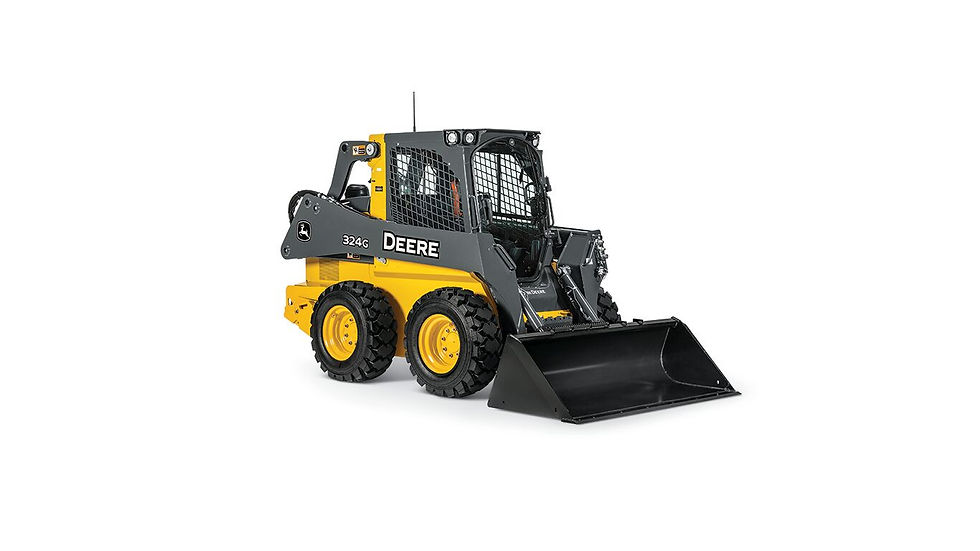
If you're newer to equipment financing altogether, our first-time buyer credit profile guide for the Bobcat S650 covers the fundamentals that still matter on a second machine. For a head-to-head look at the competitive mid-size loader class, see our John Deere 324G vs. Bobcat S650 vs. CAT 260 comparison. You can also browse our current skid steer and track loader financing programs.
Ready to Move Forward?
BFC Equipment Loans works with construction, excavation, and site-development businesses nationwide to structure equipment financing around the way a company actually runs, not a generic template. Visit our home page to see the full range of equipment we finance, or go straight to the equipment financing application to get a real answer on your file. If you're also buying or selling used iron, browse our equipment marketplace, and if you want more breakdowns like this one, subscribe to the blog.


Comments