

The Hell-or-High-Water Clause: Why You Still Owe the Payment on a Skid Steer Lease Even If the Machine Is Down

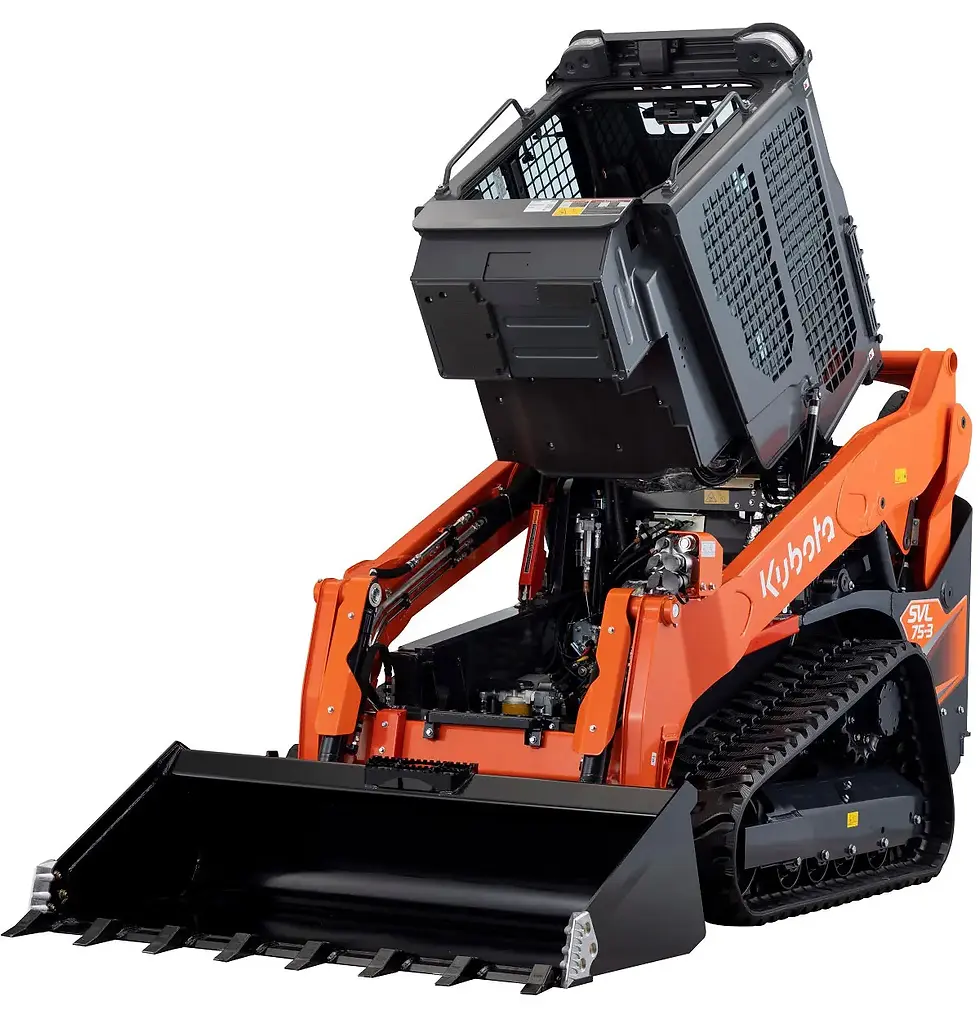
Most contractors reading an equipment lease for the first time skip past a clause buried a few pages in that says, in some version of this language, that the lessee's payment obligation is absolute and unconditional, regardless of any defect in, damage to, or loss of use of the equipment. That's the hell-or-high-water clause, and it's one of the most important sentences in a skid steer lease -- because it means exactly what it says: you keep paying even if a Kubota SVL75-3 sits broken down in the yard for a month.
What the Clause Actually Says
In plain terms, a hell-or-high-water clause separates your obligation to pay from the equipment's actual condition or performance. If the SVL75-3's hydraulics fail, if a dealer backorders a part for three weeks, if the undercarriage needs unexpected work, or if the machine is simply sitting idle because a job got delayed -- none of that gives you the right to withhold, reduce, or delay your lease payment. The payment obligation runs to the lessor regardless of what happens to the asset on your end.
This is standard language across true leases in equipment finance, not something unique to one lender or one deal. It exists because the leasing company isn't in the business of fixing or maintaining your skid steer -- it's in the business of financing it, and it wants its monthly payment stream to be as predictable and bulletproof as a loan payment, even though the legal structure is a lease.
Why Lenders Insist on It
Without a hell-or-high-water clause, a lessor's cash flow would be at the mercy of every mechanical hiccup on every piece of equipment it has ever financed. Leasing companies package these payment streams and sometimes sell or pledge them to their own funding sources -- banks, warehouse lines, securitization investors. Those funding sources need to know the payment stream is reliable. A clause that let a lessee stop paying every time a machine broke down would make that whole financing structure unworkable, which is exactly why the clause shows up in virtually every true lease, not just the aggressive ones.
This Is Different From a Loan, and the Difference Matters
On a conventional equipment loan, your obligation to the lender is also generally unconditional -- you owe the payment regardless of the machine's condition, because the loan was for money borrowed, not for the right to use a working asset. A lease is legally different: you're paying for the use of the equipment, which is why a hell-or-high-water clause has to be spelled out explicitly rather than assumed. Without it, a court could potentially read an implied condition into the lease that your payment depends on the equipment actually being usable. The clause exists specifically to foreclose that argument.
For a landscaping, site-development, or demolition-support business running a Kubota SVL75-3 as a daily-use machine, this distinction rarely matters until something actually breaks. Then it matters a great deal.
What This Does Not Mean
It doesn't void your warranty rights. If the SVL75-3 is still under Kubota's manufacturer warranty, you can and should pursue a warranty repair through the dealer. The hell-or-high-water clause governs your relationship with the lessor, not your relationship with the manufacturer or dealer.
It doesn't mean the lessor has no responsibility at all. Most lease agreements separately require the lessor to have sourced the equipment in working order at delivery, and many leases include an acceptance process specifically so disputes about initial condition happen before the clock starts, not after.
It doesn't survive a total loss the same way. If the machine is destroyed or stolen, separate casualty-loss provisions in the lease (often tied to insurance proceeds) take over -- the hell-or-high-water clause covers downtime and performance issues, not a totaled machine.
How to Protect Yourself Before You Sign
Since the clause isn't negotiable away in any practical sense -- virtually every institutional lessor uses one -- the real protection comes from what you do around it, not from fighting the clause itself.
Push hard on the acceptance and inspection period. Make sure the lease gives you a real window to inspect the SVL75-3 and reject it before acceptance if something's genuinely wrong, since the hell-or-high-water clause starts running once you accept.
Keep the manufacturer's warranty and an extended service contract current. Since the lessor's payment obligation doesn't bend for mechanical trouble, your actual protection against downtime is a strong warranty and, where it makes sense, an extended protection plan through the Kubota dealer network.
Carry real downtime insurance where it's available. Some equipment policies include business-interruption or downtime riders that can offset lost productivity, separate from the lease payment itself, which keeps running regardless.
Negotiate maintenance responsibility clearly up front. Know exactly who's responsible for routine maintenance and major repairs before you sign, so a breakdown doesn't turn into a dispute about whose job it was to prevent it.
A Realistic Example
A landscaping contractor leases a Kubota SVL75-3 to handle grading and material-moving on a steady run of residential and small commercial jobs. Four months in, a hydraulic line fails and the dealer is backordered on the part for two and a half weeks. The lease payment is still due on schedule during that stretch -- the hell-or-high-water clause makes that non-negotiable. What actually helps the contractor get through it cleanly is a rental backup relationship with a local dealer and a warranty claim that covers the part and labor once it arrives, not an argument with the leasing company about the payment.
How This Plays Out on a Lease vs. a Rental Agreement
Contractors who are used to equipment rental sometimes carry an unspoken assumption into their first lease: that if the machine is down, the clock on what they owe should pause, the way a rental bill might be prorated for downtime depending on the rental house's own policy. A lease doesn't work that way, and the hell-or-high-water clause is precisely the provision that forecloses that assumption. Understanding this distinction before signing -- not after the first mechanical issue -- is what prevents a genuinely frustrating surprise mid-contract.
Where This Fits Into Choosing Lease vs. Loan in the First Place
The existence of a hell-or-high-water clause is one more data point worth weighing when deciding between a lease and a conventional loan on a skid steer. Both structures ultimately commit you to an unconditional payment stream, so the clause itself shouldn't be the deciding factor between the two -- what should drive that decision is the tax treatment you want, how you plan to use (or not use) a purchase option at the end of the term, and how the machine should sit on your balance sheet. Confirm the accounting and tax treatment of either structure with your own accountant or tax professional before committing, since the right answer depends on your business's specific financial picture.
Who Runs Into This Most Often
Landscaping crews, hardscape installers, small general contractors, and demolition-support outfits running a single compact track loader as their primary production machine are the businesses most likely to feel a hell-or-high-water clause directly, simply because a single-machine operation has no backup unit to shift work to when the SVL75-3 goes down. A larger fleet operator with three or four track loaders barely notices the clause in practice, because downtime on one unit just means shifting work to another -- the payment keeps going either way, but the operational sting is much smaller when there's a second machine to lean on.
What Usually Triggers a Dispute Over This Clause
In practice, disagreements about a hell-or-high-water clause rarely come from a lessee disputing the legal language itself -- it's clearly written and well-established in equipment finance. They come from a lessee who didn't fully register what they were signing until the first real breakdown, and who then reasonably but mistakenly assumes the payment should pause the way a rental invoice might. The fix for this isn't a legal fight; it's reading the clause closely at signing and asking the lessor directly how downtime, maintenance responsibility, and warranty claims are handled, so there are no surprises when the SVL75-3 eventually needs a repair.
Why the Clause Shows Up Even on Shorter-Term Leases
Some contractors assume a hell-or-high-water clause is mainly a feature of long-term, big-ticket leases, and that a shorter-term skid steer lease might carry softer language. In practice, the clause is nearly universal across true equipment leases regardless of term length, because the underlying funding mechanics that make it necessary -- a lessor's own funding sources wanting a predictable payment stream -- apply just as much to a two-year lease on a compact track loader as to a longer-term lease on larger equipment. Assuming a shorter term means softer terms on this specific clause is a mistake worth correcting before you sign, not after.
Related Reading
For more on how the SVL75-3 compares against a close rival in the same mid-frame class, see our Kubota SVL75-3 vs. New Holland C332 comparison. If you're financing the machine with Section 179 in mind, our Section 179 and skid steer financing guide walks through how that deduction interacts with a financed purchase. You can also browse our current skid steer and track loader financing programs.
Ready to Move Forward?
BFC Equipment Loans works with construction, excavation, and site-development businesses nationwide to structure equipment financing around the way a company actually runs, not a generic template. Visit our home page to see the full range of equipment we finance, or go straight to the equipment financing application to get a real answer on your file. If you're also buying or selling used iron, browse our equipment marketplace, and if you want more breakdowns like this one, subscribe to the blog.


Comments