

Lease or Loan? How to Structure Financing for Your Next Dump Truck
Every dump truck that shows up on a jobsite got there through a financing decision somebody made months earlier, and for most contractors that decision comes down to one fork in the road: lease it or loan it. A Kenworth T880 hauling fill dirt off a subdivision cut looks the same whether the operator owns it outright in six years or hands the keys back at lease-end, but the paperwork behind that truck changes everything about the contractor's balance sheet, tax position, and exit options.
The instinct for a lot of owners is to treat this like a coin flip, or worse, to let whoever's selling the truck steer the decision toward whichever product they happen to be pushing that month. That's backwards. The right answer depends on how long you plan to run that specific truck, how your business is taxed, whether trade cycle matters to you, and how much cash you want tied up in a down payment versus kept in the bank for payroll and fuel.
What a Loan Actually Buys You
A commercial truck loan is straightforward: a lender advances the purchase price, you make payments over a term, and at the end you own the truck free and clear. Every payment builds equity. If you're the kind of operator who runs a dump truck for eight, ten, or twelve years, ownership usually wins, because you're not handing back a truck that still has useful life left in it. A Mack Granite, with its MP13 diesel and Mack Protect radar safety suite, is built for exactly that kind of long service life — contractors who buy one usually plan to keep it running well past the note.
The tradeoff is that depreciation risk sits with you. If the used-truck market softens the year you want to sell, that's your problem, not the lender's. A loan also typically asks for more money down up front than a lease structure does, which matters if cash is tight.
What a Lease Actually Buys You
A lease — whether it's a true lease with a purchase option or a finance lease that behaves more like a loan — trades ownership for lower cash outlay and, often, more predictable turnover. If you like to run newer iron and trade every three to five years before major driveline work comes due, a lease can keep you in a fresher truck without the used-truck disposal headache. It also preserves working capital: money that would have gone toward a bigger down payment stays available for payroll, fuel, and the next job's mobilization costs.
The catch is that at lease-end you either write a check to buy the truck, hand it back, or roll into a new lease. Leases can also carry mileage or hour restrictions that a demolition or site-development operation running double shifts can blow through fast.
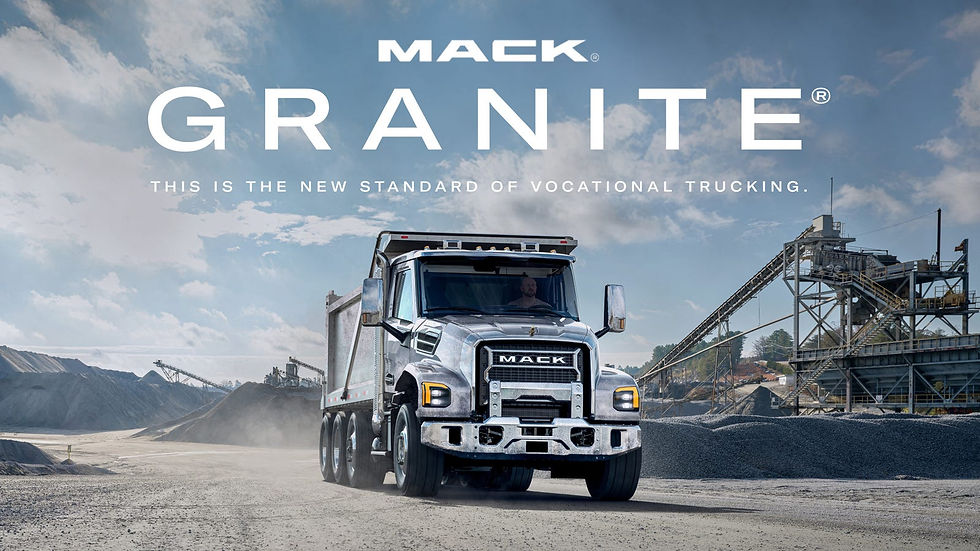
This is exactly why the conversation about a truck like the redesigned Mack Granite starts with usage pattern, not sticker price. A contractor running one truck steadily on a single job site puts very different hours on it than one bouncing between three active demolition sites. BFC structures the loan-vs-lease conversation around that usage pattern first.
Where the Decision Actually Gets Made
In practice, three questions decide it for most contractors: How long do you actually want this specific truck? What does your accountant want from the balance sheet this year? And how much cash can you put down without starving next month's payroll? A Kenworth T880 spec'd for dump work with the PACCAR MX-13 is a truck plenty of contractors keep for the long haul, which tips toward a loan. A truck brought in to cover a two-year contract surge is a textbook lease candidate.

Tax treatment matters too, and it's the one variable that changes almost every year with the tax code — a conversation to have with your accountant alongside BFC rather than a decision to make off a rule of thumb from last season.
Matching Term Length to the Job, Not Just the Truck
Term length is where a lot of contractors leave money on the table without realizing it. Stretching a loan or lease term past how long you actually plan to use the truck for its original purpose means paying for years of financing on work the truck may no longer be doing. A Kenworth T880 bought specifically for a five-year municipal hauling contract, financed on a seven-year term, leaves you making payments on a truck two years after the job that justified buying it has ended. Matching term length to your actual usage horizon — not just to whatever gets the lowest payment — keeps the financing decision aligned with the business reason you bought the truck in the first place.
This cuts both ways. A shorter term on a truck you plan to run for a decade means you're paying it off faster than you need to, which can strain monthly cash flow for no real benefit if the truck's useful life extends well past the note either way.
The Insurance and Maintenance Side of the Ledger
Lease-vs-loan decisions don't happen in a vacuum — insurance requirements and maintenance obligations often differ between the two structures, and that difference belongs in the same conversation. Some lease structures carry different insurance minimums or maintenance-reporting requirements than a straight loan does, particularly on newer trucks still under manufacturer warranty. We break down how insurance specifically factors into a dump truck or mixer truck financing decision in where insurance fits into your financing decision, which is worth reading before you sign either kind of agreement.
Maintenance responsibility is the other piece. A loan puts all maintenance squarely on the owner from day one; some lease structures build in maintenance packages or manufacturer-backed coverage windows that shift part of that burden elsewhere for the term of the lease. Neither is automatically better — it depends on whether you'd rather control (and pay for) your own maintenance schedule or have some of it bundled into the monthly cost.
Rent-vs-Own Still Beats Both
Whichever way you land on lease vs. loan, both options beat the third option a lot of newer contractors default to: renting a dump truck by the day or the month while they build up cash. Rental margins on trucks are brutal for the renter — you're paying premium daily rates with zero equity building, stuck with whatever configuration the rental yard has on the lot that week instead of the truck your job actually calls for. Every month spent renting is a month of cash flow that never becomes an asset. If a job is steady enough to need a dump truck for more than a few weeks, financing — lease or loan — almost always wins over renting on a real cost basis.
What This Looks Like Across a Fleet
For contractors scaling past their first truck, the lease-vs-loan decision isn't one choice, it's a portfolio choice — see how we structure that as fleets grow in building a dump truck fleet, so each new unit gets financed the way it's actually going to be used instead of copying whatever structure the first truck happened to get.
Owner-operators weighing this same fork for their one truck should also see our owner-operator financing guide for how the calculus shifts once a second or third truck enters the picture.
Whichever structure fits, deposit requirements flex with credit profile: well-qualified operators can often start at $0 down, while newer entities or thinner credit files should expect a deposit somewhere in the 20-40% range to secure comparable terms. Every deal is underwritten individually.
Talk Numbers, Not Guesses
The only way to know whether a lease or a loan actually pencils out for your next dump truck is to run your specific numbers — usage plan, tax position, cash position — against real terms, not a generic online calculator. See also our dump truck financing overview and our breakdown of Kenworth T880 vs. Mack Granite if you're still deciding on the truck itself before deciding on the paper behind it.
How Credit Profile Changes Which Option Makes Sense
Credit profile shifts the lease-vs-loan math too, not just the down payment. A well-established contractor with strong business credit typically qualifies for competitive terms on either structure, which means the decision really does come down to usage pattern and tax preference. A newer business or a thinner credit file, on the other hand, sometimes finds a lease structure easier to qualify for initially, since some lease products weigh the equipment's own value more heavily in the underwriting than a straight loan does. That's not universal, but it's a real factor worth raising directly with your lender rather than assuming one path is automatically closed to you.
It also means the lease-vs-loan conversation is worth revisiting as your credit profile improves. A contractor who leased their first truck because that was the more accessible option two years ago may find a loan makes more sense on truck three, once the business has its own payment history to lean on instead of relying entirely on the truck's residual value to satisfy the lender.
A Quick Framework You Can Use Right Now
Before you talk to a lender, it helps to have rough answers to four questions: how many years do you realistically expect to keep this specific truck, how does your accountant want new equipment to show up on the books this year, how much cash can you comfortably put down without straining next month's operations, and does the job this truck is buying you into have a defined end date or is it open-ended work. Those four answers, more than anything else, point most contractors toward lease or loan before a single number gets discussed.
Ready to Move Forward?
Every truck on this page started with a financing conversation. Here's where to take yours next:



Comments