

MBE Certification and Dozer Financing: Does Minority Business Status Change Your Loan Terms?
A grading contractor who earns Minority Business Enterprise certification, whether through a city or county program, a state MBE registry, or the national NMSDC certification, is usually after one specific thing: eligibility for the set-aside and supplier-diversity contracts that certification unlocks. What a lot of newly certified owners assume next, reasonably but incorrectly, is that the same certification should also make dozer financing easier or cheaper. It generally doesn't, and understanding why keeps a contractor from walking into a lender's office with the wrong expectations.
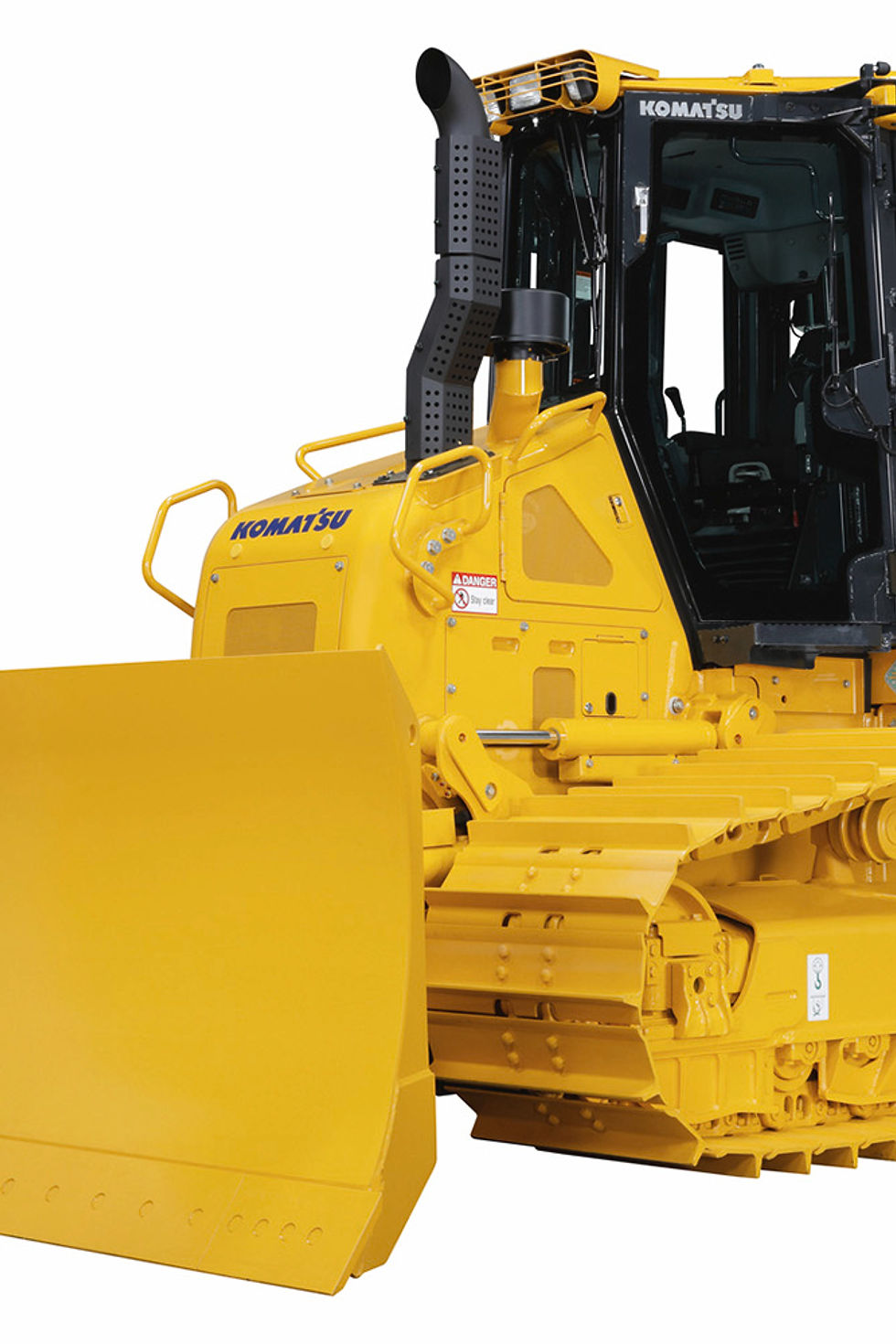
The certification and the loan application are run by entirely different institutions answering entirely different questions. Here's what MBE status actually changes about financing a Komatsu D51PX-24 or similar dozer, and what it genuinely doesn't.
What MBE Certification Actually Verifies
MBE certification verifies that a business is at least 51 percent owned, operated, and controlled by one or more individuals from a recognized minority group, under whatever specific standard the certifying body, city, county, state, or NMSDC, applies. It's an ownership-and-control determination built to support supplier-diversity and set-aside procurement programs. It was never designed to say anything about a business's credit history, cash flow, or ability to carry a new equipment loan.
That's the entire reason this distinction matters. A certifying body is answering a contracting-eligibility question for agencies and primes. A dozer lender is answering a completely different question: can this specific business make this specific payment for the next several years. Two different questions, and a business can score very differently on each one.
Why Underwriting Doesn't Move Based on Certification
A conventional equipment lender evaluates a dozer financing application on time in business, personal and business credit history, cash flow documentation, and the dozer's own resale value as collateral, regardless of ownership demographics. MBE status simply doesn't appear anywhere on that checklist, because it isn't a stand-in for any of the factors a lender is actually trying to measure.
That can read as disappointing to a newly certified owner expecting the certification to carry weight in a financing conversation the way it does in a bid room. It's a fair expectation given how much work certification takes, but it doesn't match how equipment lending works in practice. The flip side is real too: certification status can't be held against an application either, because it simply isn't part of the evaluation.
It helps to picture these as two separate systems that intersect only through revenue. The certification system exists to open contracting opportunities a business might not otherwise access. The lending system exists to price repayment risk against a specific machine. Keeping those two systems straight in your head going in leads to better questions for both the certifying body and the lender.
Where It Helps, Indirectly
The real link between MBE certification and dozer financing runs through contracted revenue, not through the loan file. A certified grading or site-development business that wins its first set-aside job, or starts qualifying under a prime's own supplier-diversity subcontracting goals, typically sees a real jump in contracted backlog. That backlog is exactly what strengthens a financing application, independent of whatever certification helped produce it.
Some CDFIs and mission-driven lenders do build MBE or other diversity certifications into their own underwriting criteria, occasionally with dedicated loan products. Those programs are real and worth researching directly by name, but they're a specific niche within equipment lending, not the default across the broader market most contractors are shopping in.
A prime contractor's own supplier-diversity office is also worth a direct call. Primes with mature programs sometimes maintain relationships with lenders who specifically serve their certified subcontractor base, precisely because the prime has a stake in those subs having the equipment capacity to actually perform.
State and local economic-development agencies occasionally layer their own equipment-financing assistance on top of MBE certification as well, separate from what a bank or specialty lender offers. These programs vary widely by jurisdiction, so it's worth a direct call to your certifying agency to ask what, if anything, exists locally before assuming none does.
Who Actually Makes This Work in Practice
Grading and site-development contractors certified through a city or county MBE program are the most common businesses we see financing a dozer like a Komatsu D51PX-24 or CAT D6 specifically to meet an equipment-capacity requirement tied to a public contract they've already won. Demolition contractors operating under a prime's diversity-subcontracting commitment follow the same pattern, scaling equipment once the subcontract is confirmed rather than ahead of it.
Land-development and utility-adjacent grading businesses pursuing state DOT or municipal set-asides see the same sequencing work in their favor: certification unlocks the bid, the bid becomes a contract, and the contract is the evidence a lender actually underwrites against.
Land-clearing and forestry-adjacent businesses certified as MBEs pursuing state or federal land-management contracts run the identical logic even though the end use of the dozer differs from a site-development contractor's. The lesson doesn't change across trades: certification opens the bidding door, the resulting work generates revenue, and the revenue is what actually gets underwritten.
What Actually Strengthens the Application
A signed contract or conditional purchase order tied to a specific bid carries real underwriting weight, because it's near-term revenue rather than a projection. Clean personal and business credit matters exactly as much on a certified business's dozer financing application as it would on anyone else's.
A co-signer can still help a thinner credit file get approved, the same as it would for any first-time dozer buyer. Our breakdown of what a dozer financing co-signer is actually exposed to covers that real liability in full, certification status notwithstanding.
Time in business matters less rigidly than many newly certified owners expect. A one- or two-year-old business with a real contract and clean personal credit can still get a fair hearing, since lenders weigh the combination of factors rather than any single one in isolation.
Documentation discipline matters more than certification paperwork does in this conversation. A lender wants recent bank statements, the actual signed contract or purchase order, and a clear picture of the business's existing obligations, not a copy of the MBE certificate. Walking into the application with that packet already assembled moves the process along faster than any certification status would.

An Illustrative Look at a First Dozer Post-Certification
Purely as an illustration, a newly certified grading contractor financing their first dozer against a real municipal subcontract is typically underwritten the same way any first-time buyer with a signed contract would be: against the contract's value and term, the buyer's credit profile, and the dozer's resale value as collateral, not against certification status. Section 179 expensing may still apply in the year the machine is placed in service, which is worth confirming directly with a tax professional since eligibility depends on the specific business structure.
Deposit expectations also track ordinary first-time-buyer terms: lighter for a strong credit file with a contract in hand, heavier for a thinner one, regardless of MBE status. None of this replaces your lender's actual quote on your specific business, but it sets realistic expectations before that conversation starts.
A dozer's slower depreciation curve compared to lighter equipment classes can also work in a newly certified buyer's favor over time, since the collateral holds resale value well, which matters to a lender evaluating recovery risk on a thinner credit file. That's a function of the machine, not the certification, but it's a real factor worth knowing about going in.
A Quick Gut-Check for Newly Certified Owners
Treat MBE certification and dozer financing as two separate processes with two separate decision-makers
Line up a signed contract or conditional purchase order before applying; it carries more weight than certification alone
Call your prime contractor's supplier-diversity office directly to ask about lender relationships for certified subs
Research CDFI and mission-driven lenders by name if you want a program that factors certification into its own criteria
Keep personal and business credit clean well ahead of time; certification doesn't offset credit history
Why Financing the Dozer Still Beats Renting Into the Job
A newly certified grading business that wins its first set-aside contract sometimes defaults to renting a dozer to complete it, treating the win as a one-off rather than the start of a real equipment-owning operation. That choice gives up the payment history and equity that make the next contract's equipment easier to finance, and it sends the rental yard's margin to a business that needed it for itself.
Financing the dozer outright against that first real contract starts building exactly the track record a growing, certified grading business needs for its next piece of iron. Our full dozer financing coverage walks through the rest of that decision in detail.
Ready to Move Forward?
BFC Equipment Loans finances yellow iron nationwide for startups and established contractors alike, good credit or bad. Visit our home page to learn more about how we work, or go straight to our equipment financing application to get real numbers for your deal today.
Already have equipment to sell, or looking for your next machine outright? Check our equipment for sale marketplace, where contractors list and browse used yellow iron directly. And if you want more articles like this one delivered as we publish them, subscribe to the BFC blog.



Comments