

Spinner Guards, Splash Shields, and the Washout Rules Every Ready-Mix Fleet Needs to Know
A mixer drum doesn't stop making a mess the moment the pour's done. Cement slurry slings off the charging hopper lip during loading, splatters off the discharge chute during the pour, and keeps draining out of the drum for minutes after the load's gone. Two separate problems come out of that reality: keeping the truck itself clean and visible, and keeping that slurry out of a storm drain. Most fleets handle the first one instinctively and never think hard about the second until it costs them money.
Spinner Guards and Cab Splash Shields: The Small Parts Nobody Specs on Purpose
A spinner guard is the ring-shaped shield fitted around the charging hopper opening at the top of the drum, built to catch the slurry that slings outward as the drum rotates during loading rather than letting it fly back toward the cab, the frame rails, or the catwalk a driver stands on to check the load. Cab splash shields do the same job from a different angle: body-builder-installed panels mounted behind the cab and along the lower frame that keep washdown water, drum overspray, and road grime off the back glass, mirrors, and marker lights.
Neither part shows up on a spec sheet headline, and neither costs much relative to the chassis and drum around it. What they buy you is real: a rear window and mirrors that are actually usable when backing toward a pour chute, DOT lights and reflectors that stay visible instead of caked in cement dust, and less chronic surface corrosion on the frame and subframe from repeated slurry exposure over years of daily use.
The Bigger Problem: Where the Washout Water Actually Goes
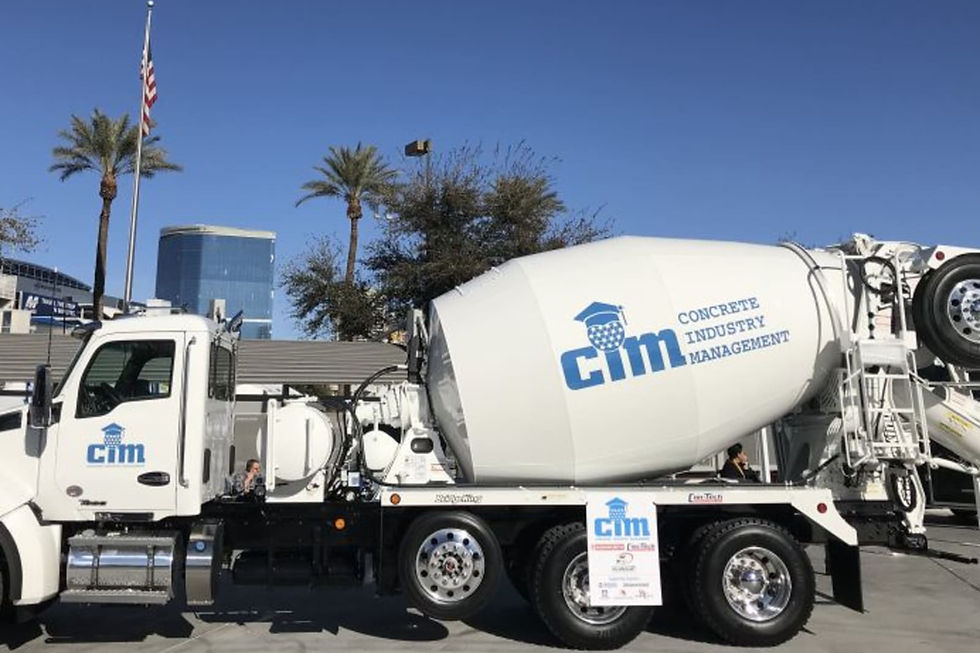
Every mixer truck has to get rinsed out, either at the end of a route or between loads, and that rinse water is not legally the same thing as rain running off a parking lot. Under the Clean Water Act framework that underlies most state construction stormwater permits, a permit that allows ordinary stormwater discharge explicitly does not cover concrete washout. The moment chute rinse water or drum washout reaches a storm drain, a curb gutter, or a stream, it's an unpermitted discharge, not a technicality.
The reason regulators care has nothing to do with appearances. Fresh concrete wash water runs highly caustic, often well above a pH of 11, and it carries trace heavy metals, chromium among them, left over from the cement itself. Dumped into a waterway, that pH spike alone can kill aquatic life and burn vegetation along a bank; dumped into soil near a well, it can migrate into groundwater. Hardened solids that make it into a storm drain system contribute to clogged pipes and localized flooding on top of the chemical exposure.
How a Compliant Washout Setup Actually Works
A proper washout facility is a leak-proof container or lined pit, sized so a heavy rain event can't cause it to overflow, covered when it's not actively in use, and positioned close enough to the pour or loading area that drivers will actually use it instead of rinsing wherever's convenient. It has to sit away from storm drains, curbs, and any surface water, carry a posted sign identifying it as a washout facility, and get inspected regularly for leaks, cracking liners, and capacity. Before a forecasted storm, the standard practice is to pump it out or cover it rather than risk an overflow.
A growing number of mixer trucks skip the jobsite pit question almost entirely by hauling chute rinse water and residual solids back to the plant for reclamation, where it's recycled into new batches or settled out for disposal under the plant's own permit rather than becoming a per-jobsite compliance headache. Smaller hardened chunks, generally capped around half a cubic yard, can sometimes be buried on-site at least two feet deep and well clear of groundwater, but that's a narrow exception, not a general disposal plan.
How an Onboard Reclaimer System Actually Works
The trucks that skip the jobsite washout-pit question entirely do it with a reclaimer system that routes chute rinse water and leftover slurry into a dedicated holding tank rather than letting it hit the ground at all. On return to the plant, that reclaimed water either gets pumped into a settling or agitation tank for reuse as mix water on a future batch, within whatever limits the ready-mix producer's own quality control allows, or gets processed through the plant's own permitted wastewater system instead of becoming a per-truck, per-jobsite compliance question every single day.
That shift matters most for fleets running a high volume of smaller residential and commercial pours spread across a city, where building and maintaining a compliant washout pit at every single site simply isn't practical. Centralizing the problem at the plant, where there's already a permit and a dedicated system built for it, is a cleaner answer than asking every driver to manage a mini environmental facility on someone else's property for twenty minutes a day.
Enforcement Is More Common Than Most Operators Assume

Stormwater enforcement on construction and concrete sites isn't a rare, theoretical risk. State environmental agencies and, in many jurisdictions, municipal inspectors actively look for visible washout discharge, cloudy gray runoff near a storm drain, or a washout pile dumped on bare ground, specifically because it's one of the more visually obvious permit violations to spot during a routine site visit. A citation typically starts with a notice of violation and a correction deadline, but repeat or willful violations escalate into real per-day penalty exposure that dwarfs the cost of doing it right the first time.
Why This Belongs in a Financing Conversation, Not Just a Compliance Binder
A stormwater or Clean Water Act citation on a ready-mix operation is not a paperwork fine you can shrug off. It carries real per-day, per-violation penalty exposure, can trigger a broader site inspection, and shows up in the kind of environmental liability review a lender or an insurance underwriter runs on a fleet before extending credit or coverage. A clean washout practice, documented and consistent, is a genuine asset when you're structuring financing for your next mixer truck, the same way a clean maintenance record is.
What We've Already Covered on the Mixer Side
Washout discipline connects directly to how a mixer truck manages water onboard in the first place. We've written in detail about the water tanks, admixture systems, and slump control that keep a load workable between the plant and the pour, and separately about the real PTO versus auxiliary engine drum drive trade-off that decides how the drum gets its power in the first place. Both specs interact with how much water, and how much rinse water, your crew is actually managing on a given route.
Ready-mix suppliers running multiple pours a day, concrete subcontractors pouring residential driveways and flatwork in neighborhoods with storm drains on every corner, and DOT-grade paving crews pouring bridge decks near protected waterways all carry different degrees of this exposure, but none of them get to ignore it. The equipment and the discipline around it are inseparable from the business risk.
Spec the Truck Right From the Start
Drivers matter just as much as hardware here. A crew that understands why the washout pit exists, and why rinsing a chute into a storm drain is a real violation and not just an unsightly habit, is far less likely to create the kind of incident that draws regulatory attention in the first place. Folding a short, specific washout briefing into new-driver onboarding costs nothing and closes the gap that equipment alone can't.
A mixer truck built with the right spinner guards, splash shields, and, increasingly, onboard reclamation plumbing costs a little more upfront than a bare-bones build. It also costs a lot less than a cab full of fogged glass, a corroded subframe five years early, or a stormwater citation on a job that was supposed to be routine. None of that changes the bigger decision underneath it: whether you're financing that mixer truck as a real business asset or renting your way through another busy season with nothing to show for it when it's over.
BFC finances and leases concrete mixer trucks for ready-mix suppliers and concrete contractors nationwide, startups and established fleets, every credit profile, structured around how your business actually runs its routes.
Take a look at our concrete and mixer truck financing page for the full lineup of chassis and drum configurations we support, front-discharge and rear-discharge alike.
Finance It Instead of Renting It Again Next Month
Every spec in this article only matters once the truck is actually yours. Renting a dump truck or mixer truck by the week or the month to cover a job pays someone else's note, every single time, with nothing left over once the job's done. Financing or leasing the right chassis means the truck builds equity for your business instead of a rental yard's balance sheet, and BFC structures that financing for startups and established fleets alike, nationwide, with flexible terms for every credit profile.
Ready to see what you qualify for? Apply for equipment financing and get a real answer, not a runaround. Browse our current equipment for sale and financing inventory if you're still shopping, head back to our homepage to see everything BFC finances, or subscribe to the newsletter for the next piece in this series.


Comments