

Subordination Agreements and Your Wheel Loader Loan: What Happens When a Second Lender Wants Behind Your Lien

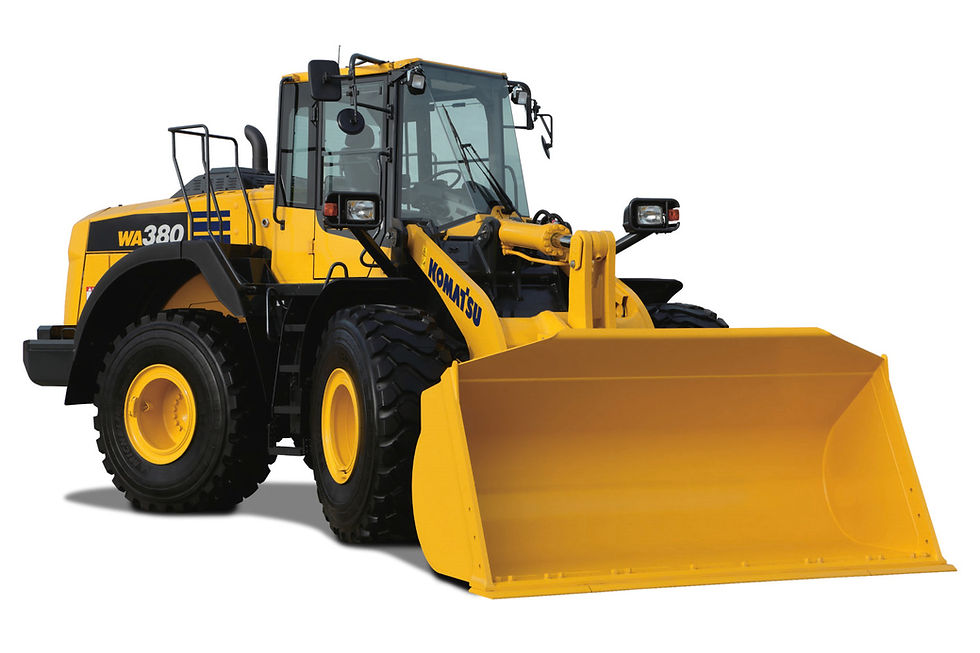
A business that financed a Komatsu WA380-8 last year and now wants a working-capital line of credit or an SBA loan often runs into a term it's never seen before: subordination. Getting wheel loader financing approved the first time is usually the easier part. Managing the lien priority once a second lender enters the picture is where things get more complicated.
What a Lien Actually Secures, and Why Order Matters
When you financed the WA380-8, the lender filed a lien against that specific machine (and often a broader blanket lien, depending on the deal) giving them a legal claim on the collateral if the loan ever defaults. Liens are ranked by priority -- generally first-in-time, first-in-right -- so the original equipment lender usually sits in first position on that machine. A new lender coming in later, especially one asking for a blanket lien across all business assets, will find the WA380-8 already encumbered, and that's where subordination enters the picture.
What a Subordination Agreement Actually Does
A subordination agreement is a written agreement where one lender voluntarily agrees to accept a lower-priority claim on specific collateral, letting another lender's lien jump ahead of theirs on that asset. The original WA380-8 lender isn't required to agree to this -- subordination is a negotiation, not an automatic right the new lender has, and the original lender has every incentive to protect its position unless there's a good reason to move.
Why the Original Lender Might Say Yes
Lenders agree to subordinate for practical reasons more often than you'd expect. If the new financing is a working-capital line that will help the business take on more work -- work that likely involves running the WA380-8 more, generating more revenue, and making the original loan payment more reliable -- the original lender may see subordination as protecting its own interest rather than weakening it. A lender that refuses every subordination request outright risks losing good customers to competitors who are more willing to work within a layered capital structure.
Why It Might Refuse
The new debt load looks unsustainable. If the combined payments across both loans would strain the business's cash flow, the original lender has real reason to protect its senior position rather than risk a default that leaves it fighting for scraps.
The new lender's request covers too much collateral. A blanket lien request that reaches well beyond what the new loan actually needs can make the original lender reluctant to cede ground on the WA380-8 specifically.
There's no clear business case. A subordination request tied to a vague or unexplained use of proceeds is a harder sell than one tied to a specific, revenue-generating purpose.
How This Plays Out With an SBA Loan Specifically
SBA loans frequently require the borrower to pledge all available business collateral, which can put the agency's lender in direct tension with an existing equipment lien on the WA380-8. SBA guidelines generally allow subordination of existing liens in these situations, but the process still runs through the same negotiation between the original equipment lender and the new SBA-participating lender -- it isn't automatic just because SBA is involved, and SBA's own documentation requirements add another layer of paperwork on top of the subordination agreement itself.
What This Means for Your Timeline
A subordination negotiation adds real time to any new financing request, and that's worth planning around if a grading or site-development contractor is hoping to close a working-capital line quickly. The original lender typically wants to see the new loan's terms, its intended use, and sometimes updated financials on the business before agreeing to subordinate, which means a subordination request can add anywhere from a few days to a few weeks onto a financing timeline depending on how responsive the original lender is.
What a Business Should Do Before Applying for New Financing
Before shopping for a working-capital line or SBA loan while a WA380-8 loan is still active, it's worth calling the original lender directly and asking how they generally handle subordination requests, and whether they'd expect to see one coming given the business's current relationship and payment history. Businesses with a clean payment record on the equipment loan are generally in a stronger position to negotiate a quick, cooperative subordination than businesses whose payment history gives the original lender a reason for caution.
Confirm the Tax Side With Your Accountant
A subordination agreement itself typically doesn't change how the WA380-8 is treated for depreciation or Section 179 purposes, since the underlying ownership and loan structure usually stay the same -- only the lien priority shifts. But any related restructuring of the original loan, or a refinance that happens alongside the subordination, can have its own tax implications. Confirm the specifics with your tax professional before assuming nothing changes on your return.
What to Bring to the Subordination Conversation
Come prepared with the new lender's term sheet, a clear explanation of what the new financing will be used for, and recent financial statements showing the business can support both obligations. A lender is far more likely to cooperate quickly when the request is specific and well-documented than when it arrives as a vague ask to simply move aside.
Who Runs Into This Most Often
Site-development and earthmoving contractors who financed a WA380-8 to take on a bigger project, and then a year or two later need working capital to bridge payroll during a slow stretch or an SBA loan to fund a larger expansion, are the businesses most likely to hit this exact scenario. Quarry and aggregate operators adding a second financing layer on top of an already-financed loader fleet run into the same mechanics. Understanding subordination before you need it -- rather than discovering it mid-negotiation -- keeps a growth-stage financing request from stalling on a lien-priority fight nobody saw coming.
How This Differs From Simply Refinancing the WA380-8
It's worth distinguishing subordination from a full refinance, since contractors sometimes assume they're the same thing. A refinance replaces the original WA380-8 loan entirely with a new one, often with the new lender, and the old lien goes away because the old debt is paid off. Subordination leaves the original loan fully in place -- same lender, same terms, same balance -- and simply changes where that lender's lien ranks relative to a new, separate loan. A business doesn't have to disturb a perfectly good existing loan just to bring on new financing; subordination is specifically the tool that avoids that disruption.
What Happens If the Original Lender Simply Says No
A refusal to subordinate doesn't necessarily kill the new financing request, but it does change the shape of the deal. The new lender may agree to take a second-priority position behind the WA380-8 lien rather than insisting on first position, may narrow its collateral request to exclude the already-encumbered loader, or may require a partial paydown of the existing loan to free up enough equity cushion to feel comfortable. In some cases, the cleanest resolution really is refinancing the original WA380-8 loan into the new facility rather than layering a second loan on top of an unwilling first lender -- which is worth discussing directly with both lenders rather than assuming subordination is the only path forward.
Why Blanket Liens Make This More Common Than You'd Expect
A lot of equipment loans, including many WA380-8 financing agreements, are secured not just by the specific machine but by a broader blanket lien covering other business assets as a cushion for the lender. That broader lien is exactly what creates friction when a second lender shows up wanting its own collateral position -- even if the new loan has nothing to do with the loader itself, a blanket lien from the original financing can technically reach assets the new lender wants to secure its own loan against. Reviewing whether your original WA380-8 financing included a blanket lien, rather than a lien limited to the machine itself, is worth doing before you ever need a second loan, since it determines how much friction a subordination request is likely to generate. This is also a reasonable question to raise directly with a potential lender before you apply for original equipment financing in the future, since not every lender insists on a blanket lien and choosing one that doesn't can make later subordination conversations considerably simpler.
Related Reading
For a deeper look at how lease structure affects a WA380-8 deal on your balance sheet, see our ASC 842 wheel loader lease classification guide. If you're comparing the WA380-8 against another popular mid-size loader, our Komatsu WA380-8 vs. WA380-7 breakdown covers what actually changed between generations. You can also browse our current wheel loader financing programs.
Ready to Move Forward?
BFC Equipment Loans works with construction, excavation, and site-development businesses nationwide to structure equipment financing around the way a company actually runs, not a generic template. Visit our home page to see the full range of equipment we finance, or go straight to the equipment financing application to get a real answer on your file. If you're also buying or selling used iron, browse our equipment marketplace, and if you want more breakdowns like this one, subscribe to the blog.



Comments