

The Real Used-vs-New Math: Financing a Mixer Truck Across Emissions Eras
“Used vs. new” sounds like a simple price comparison, but for a mixer truck it's actually a question about which emissions era you're buying into, and that changes the financing math more than the sticker price does. A used truck built before modern emissions systems, a used truck from the DEF/SCR era, and a brand-new truck are three different financing conversations, not one conversation with three price points. We've covered the general used-vs-new math for dump and mixer trucks before in used vs. new: the real financing math, but the emissions-era angle deserves its own look, because it's the variable that decides how a lender ages out equipment, not just what it costs to buy.
Why the Engine Era Matters More Than the Odometer
Lenders underwriting a used truck look at more than a single credit score or a mileage figure — they look at how many productive years are realistically left on that specific engine platform, and emissions equipment complexity is a real part of that calculation. A used mixer chassis running an older, simpler pre-emissions-era diesel might have a lower purchase price and simpler maintenance, but many lenders apply tighter model-year caps to older equipment regardless of how well it's been kept, because remaining useful life and resale value both compress faster near the end of a truck's realistic service window.
A used truck from the DEF/SCR emissions era — which covers most of what's actually available on used lots today — sits in the middle: proven technology, established parts and service networks, and financing terms that treat it much like any other used commercial vehicle, with the usual age and mileage caps lenders apply across the board.
What Brand New Actually Buys in the Financing Conversation
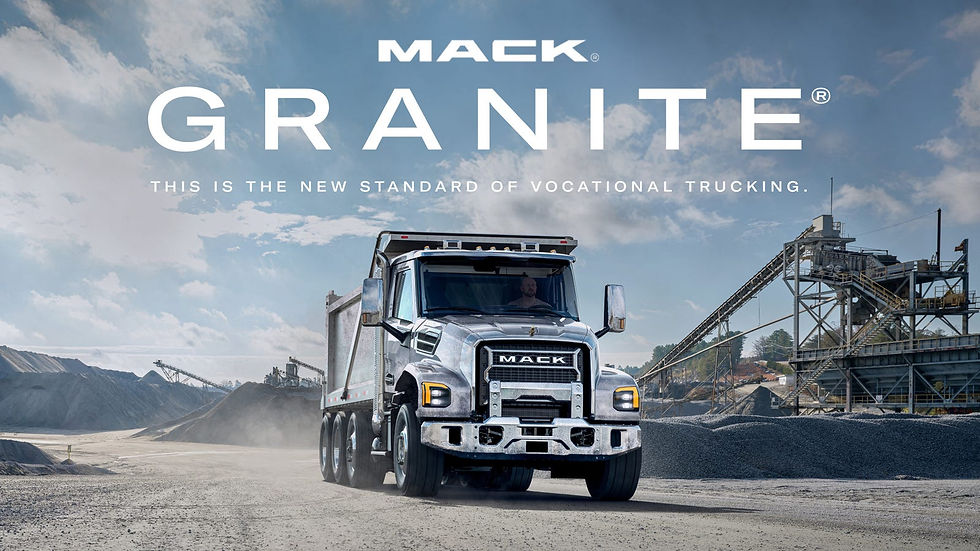
A brand-new mixer chassis — a current Mack Granite with the MP13 diesel, or a new Kenworth T880 spec'd with a set-forward front axle for extra payload on the mixer body — resets the emissions-era question entirely and usually opens up the longest terms and lowest deposit thresholds a lender will offer, because there's no remaining-useful-life discount to price in. That's the tradeoff against the higher purchase price: more flexible structuring on the financing side.
What Counts as “Pre-Emissions” vs. “Emissions-Era” in Practice
In practical terms, lenders generally draw a line around the mid-2000s to 2010, when diesel particulate filters and later SCR/DEF systems became standard across the heavy-duty truck market. A used mixer chassis from well before that line is mechanically simpler and often cheaper to maintain in some respects, but it's also aging out of most lenders' comfort zone for a long financing term, simply because there's less realistic service life left to amortize a loan against. A truck from just after that line — solidly in the DEF/SCR era — is where most of the actual used inventory contractors are shopping sits today, and it's also where financing terms are most flexible relative to price.
The Total Cost of Ownership Angle
Purchase price is only one line in the total cost of owning a mixer truck across its financed life. Fuel efficiency differences between engine generations, the cost and availability of emissions-system parts as a platform ages, and how much the truck is worth when you're ready to move on all factor into which option — older used, newer used, or new — actually costs less over the full ownership period. A truck that's cheaper to buy but meaningfully more expensive to keep running and worth less at resale can end up the costlier choice once the whole picture is priced in, not just the purchase.
How This Plays Out on the Dump Truck Side Too
This same emissions-era logic applies just as directly to dump trucks as it does to mixer chassis — the underwriting principle doesn't change based on what body sits on the frame rails. If you're weighing this decision for hauling equipment instead of ready-mix equipment, our dump truck financing overview covers the baseline structure options that apply across both.
Where the Real Savings Show Up (and Where They Don't)
The mistake a lot of contractors make is comparing used vs. new purely on purchase price and monthly cash outlay, without factoring in that an older emissions-era truck may carry higher maintenance costs, tighter age caps that shorten the realistic financing term a lender will offer, and a resale value that's already most of the way down its depreciation curve. A newer used truck from the DEF/SCR era often ends up the better financed deal even at a higher purchase price, because the term can stretch longer and the truck still has real resale value at the end of it.

This is exactly the conversation BFC has with ready-mix contractors weighing a used Kenworth T880 mixer against a new one: it's rarely as simple as “used is cheaper,” because the financing terms available on each option aren't the same, and that difference can matter more than the upfront price gap.
Deposit Expectations Shift With the Era Too
Deposit requirements typically track this same emissions-era logic — a well-qualified buyer financing a new truck can often start at $0 down, while a used, older-emissions-era truck purchase, especially for a newer business or thinner credit file, more commonly lands in the 20-40% down range to offset the shorter remaining useful life the lender is underwriting against.
Run the Actual Numbers
The only way to know which side of used-vs-new actually wins for your specific mixer truck purchase is to compare real financing terms across the options you're actually looking at, not a rule of thumb. If you're earlier in the process and still deciding what to buy, our guide to buying your first concrete mixer truck and our breakdown of where insurance fits into the decision are both worth reading alongside this one.
How Mileage and Hour Meters Complicate the Emissions-Era Picture
Two trucks from the same emissions era can still be very different financing risks depending on how they were used. A mixer chassis with low mileage but extremely high engine hours from years of idling at a batch plant has put real wear on the engine even though the odometer looks favorable. Lenders who work with vocational and mixer equipment regularly know to ask about hours as well as miles for exactly this reason, and a contractor who can produce clean maintenance and hour-meter records on a used truck is in a stronger position than one who can only offer an odometer reading.
A Practical Checklist Before You Buy
Before committing to a used mixer truck across any emissions era, it's worth confirming the model year and emissions platform, requesting maintenance and hour-meter history if the truck has been in commercial service, and asking your lender directly what financing term and deposit that specific model year typically supports before you fall in love with a particular truck on a lot. That order — financing terms before final truck selection — saves a lot of renegotiation later in the process.
Warranty Coverage as a Fourth Variable
Manufacturer warranty coverage adds a fourth variable to the used-vs-new comparison beyond emissions era, purchase price, and financing term. A new mixer chassis carries full factory warranty coverage for its early years, which reduces the contractor's out-of-pocket repair risk during exactly the period the loan balance is highest. A used truck, even a well-maintained one from the DEF/SCR era, is usually past its original warranty window or close to it, which shifts more repair risk onto the owner earlier in the financed term. That risk doesn't show up on the purchase price at all, but it belongs in the same comparison as the financing terms themselves when you're weighing what a truck actually costs to own through the life of the note.
One more practical habit worth adopting: whichever side of the used-vs-new line you land on, keep your own maintenance and hour-meter records from day one of ownership. Those records become the exact documentation that makes your next used-vs-new decision easier, whether that's three years from now when you're ready to trade this truck in, or when a future lender is evaluating your own well-maintained used truck as the asset behind someone else's financing.
None of this is a reason to avoid used equipment altogether — plenty of contractors run profitable operations on well-chosen DEF/SCR-era used trucks for years. It's a reason to go into the purchase with the financing implications of the truck's age mapped out ahead of time, rather than discovering the age cap or the shorter available term only after you've already picked out the specific truck you wanted.
Bring this same emissions-era thinking to every used truck you evaluate going forward, not just this one purchase — it's a durable way to shop that keeps paying off across your whole fleet, purchase after purchase, regardless of which manufacturer's badge ends up on the hood.
Ready to Move Forward?
Every truck on this page started with a financing conversation. Here's where to take yours next:



Comments