

US vs. Canadian Equipment Pricing Diverged Sharply in Q2 2026 — What the Auction Data Means for Timing Your Next Purchase
Auction pricing for construction equipment moved in two noticeably different directions on either side of the U.S.-Canada border in the second quarter of 2026, and the gap between those two markets is wide enough that it's worth understanding even if you have no plans to buy anything outside the United States. Ritchie Bros.' Q2 2026 Construction & Transportation Market Trends Report is the clearest public window into what's actually happening at auction right now, as opposed to what a dealer's list price or a manufacturer's press release says, and the divergence it documents says something real about how tight the domestic auction market for good used equipment has actually gotten.
The Q2 2026 US-Canada Split
The numbers are stark once you put them side by side. U.S. construction and transportation equipment prices at auction were essentially flat compared to Q1 2026, a quiet, unremarkable quarter-over-quarter move. Canadian construction equipment prices, by contrast, jumped roughly 11% over the same period, a sharp single-quarter move that dwarfs anything happening in the U.S. market right now. Canadian transportation equipment pricing held steady, more in line with the flat U.S. pattern, which means the divergence is concentrated specifically in construction equipment rather than trucks and trailers. On the retail side, tracked separately through Rouse data, U.S. construction pricing also held roughly flat quarter over quarter, though it remains elevated relative to 2019 pre-pandemic levels, while U.S. retail transportation equipment pricing actually declined about 1% and sits below where it was before the pandemic.
Why Auction Pricing Moves Differently Than Retail
Auction pricing and dealer retail pricing don't always move together, and understanding why matters for anyone deciding which channel to use for their next purchase. Retail dealer pricing reflects a manufacturer's cost structure, floor-plan financing costs, and a dealer's own inventory strategy, all of which change slowly and predictably. Auction pricing reflects whatever happens to be consigned for sale in a given quarter, weighed against whoever shows up to bid that week, which means it can move sharply in either direction based on factors that have nothing to do with underlying demand for the equipment category itself. A large fleet liquidation, a bankruptcy consignment, or a rental company rotating out older units can flood a specific auction with supply and push prices down temporarily. A thin consignment quarter combined with strong buyer turnout does the opposite, which is closer to what appears to be happening in the Canadian market this quarter.
This is also why fall tends to be one of the most closely watched seasons in the auction calendar. Major auction houses traditionally schedule some of their largest consignment sales of the year for September through November, timed to catch contractors positioning their fleets ahead of winter and year-end tax planning. A buyer who understands that seasonal rhythm can use it strategically, watching for the specific weeks when consignment volume typically peaks rather than assuming auction pricing is static throughout the year.
What This Means If You're Buying in the U.S. Right Now
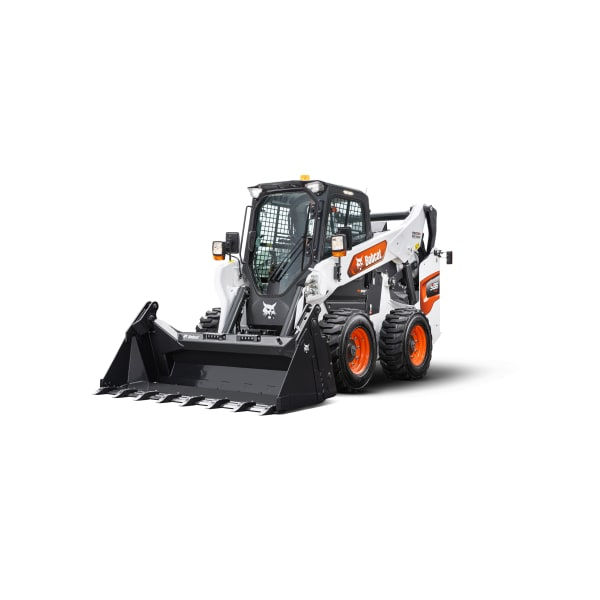
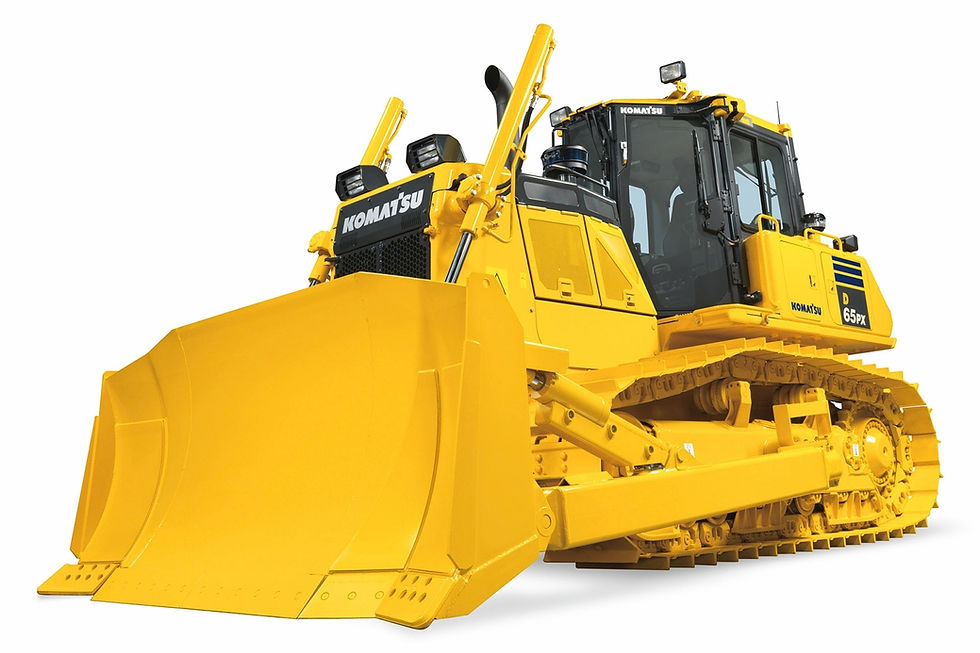
The practical read for a U.S.-based contractor is that the domestic auction market, at least as of Q2 2026, is not showing the kind of sharp upward pressure Canadian buyers are currently facing. That's a relatively favorable backdrop for buyers, though it sits alongside the category-specific pricing divergence covered in our recent used-equipment pricing breakdown, where articulated dump trucks, wheel loaders, backhoe loaders, and multi-terrain loaders are still seeing real price increases even in a flat overall U.S. market, while dozers and aerial equipment are trending down. A flat national average auction index can hide meaningful category-level movement in either direction, which is exactly why the specific machine class you're shopping matters more than the headline number.
Auction or Dealer: Why the Channel Choice Matters More in a Divergent Market
When auction and retail pricing are moving in different directions, or even just at different speeds, the choice between buying at auction versus through a dealer stops being purely a matter of preference and starts being a genuine financial decision. Auction can deliver real value when consignment supply is healthy and a specific category is softening, but it can also expose a buyer to a thin, competitive sale where a handful of eager bidders push a price above what a dealer would have quoted for a comparable unit with a warranty attached. We've covered how the source of a used machine changes your financing in more depth elsewhere, and this quarter's data is a good example of why that channel decision deserves real attention rather than a default habit of always buying the same way.
Who This Matters Most For
Smaller general contractors and demolition outfits that rely on auction purchases to build out a fleet without new-equipment pricing are the buyers most directly affected by these seasonal and regional swings, since they typically don't have the volume relationships with a single dealer that a larger fleet operator might use to smooth out pricing variability. Quarry and aggregates operations shopping for articulated haulers and wheel loaders, the exact categories currently running hot even in a flat overall U.S. auction market, are another group that should be watching this data closely rather than assuming last year's auction pricing patterns still hold.
The Rent-vs-Own Case When Auction Timing Gets Complicated
A market this uneven across channels and categories is exactly the kind of environment where relying on rentals to bridge a gap while you wait for a better auction result usually costs more than it saves. Rental rates track the same underlying supply-and-demand pressure that's showing up in the sale data, which means the categories currently running hot at auction, like articulated dump trucks and wheel loaders, are also the categories where rental availability tends to tighten first. A contractor who finances a purchase, whether through a dealer or off a well-vetted auction lot, locks in a known cost rather than staying exposed to a rental market that moves in the same direction as the sale prices covered above.
A Florida Note
Florida sits within reach of several major regional auction circuits, and Southeast contractors have historically used both dealer and auction channels to build out fleets depending on what a given quarter's pricing looks like. Given the category-specific movement covered above, a Florida buyer shopping an articulated hauler or wheel loader this fall may find better value moving through a dealer relationship where pricing has been more stable, while a buyer looking at dozers or aerial equipment, categories currently trending down, may find auction consignments worth watching closely as fall sale season ramps up.
The Bottom Line
Auction data is a genuinely useful real-time read on where equipment values are actually headed, but this quarter's numbers are a reminder that it doesn't move in one direction, in one country, or across one equipment category all at once. U.S. auction pricing stayed flat while Canadian construction equipment jumped 11% in a single quarter, and within the flat U.S. number, specific categories like articulated dump trucks and wheel loaders are still running hot. Knowing which channel and which category you're actually buying into, rather than reacting to a single headline number, is what separates a good-timed purchase from an expensive one.
It's also worth noting what's driving the Canadian spike specifically, since it offers a useful cautionary lesson even for U.S. buyers who'll never bid at a Canadian sale. A single quarter's sharp move like an 11% jump is more often a supply story than a demand story: fewer quality units getting consigned relative to buyer interest that quarter, rather than a sudden surge in underlying need for the equipment. That's exactly the kind of move that can reverse just as quickly once more inventory works its way back onto the market, which is a good reminder not to overreact to any single quarter's auction result, in either direction, without checking whether the next report confirms the trend or reveals it was a one-off.
For buyers weighing whether to time a purchase around auction season at all, the more reliable approach is watching the category-level trend across two or three consecutive quarterly reports rather than reacting to one data point. A category showing consistent movement in the same direction across multiple reports, the way articulated dump trucks and wheel loaders have trended upward across the comparisons in this report, is a much stronger signal than a single quarter's number, and it's the kind of pattern worth acting on rather than waiting out.
None of this is an argument for treating every purchase as a market-timing exercise. Most contractors need a specific machine for a specific job on a specific timeline, and the auction calendar isn't going to reorganize itself around your project schedule. What this data is useful for is deciding, once you already know you need a machine in a given category, whether the current channel and timing conditions favor moving now versus waiting a quarter, and in categories like articulated haulers and wheel loaders, the data leans fairly clearly toward moving sooner rather than later.
Our companion piece on what 2026's used equipment auction data is telling contractors about financing new vs. buying used digs further into the new-vs-used side of this same decision, and is worth reading alongside the channel and timing questions covered here.
Ready to move forward? Visit our home page, apply for equipment financing, browse or list equipment for sale, or subscribe to the BFC blog for more coverage like this.
Comments