

Verifying a CAT PIN Before You Finance a Used CAT 950 GC Wheel Loader
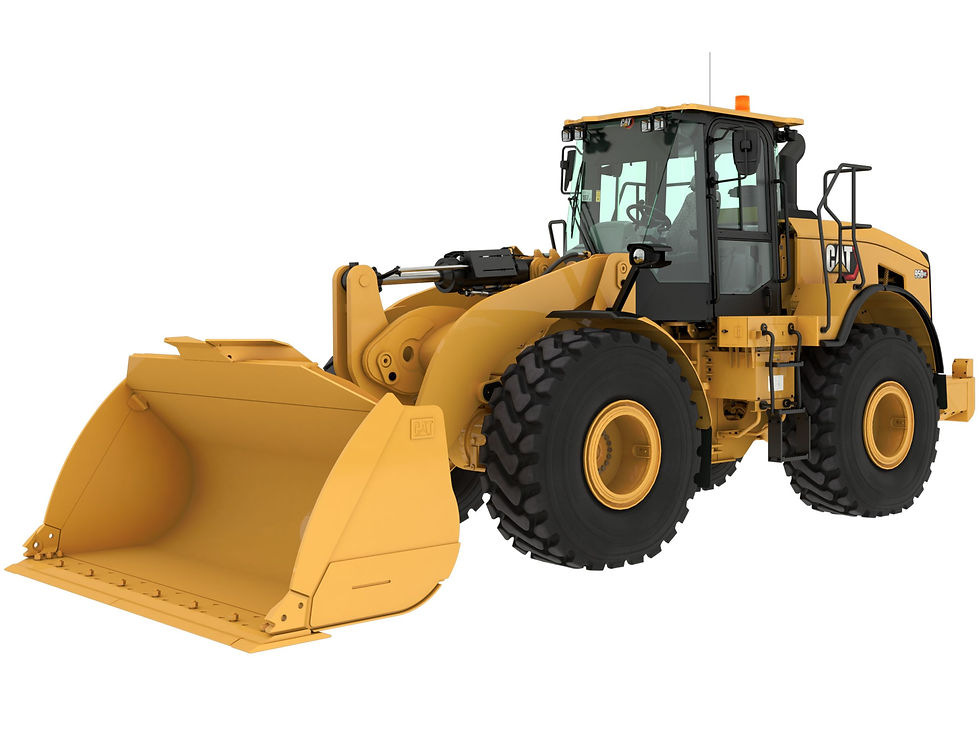
Every piece of major construction equipment carries an identifying number stamped into its frame and printed on a dedicated plate, and on a Caterpillar machine like the CAT 950 GC wheel loader, that number is the single most reliable fact you can check before financing a used unit. It's commonly called a Product Identification Number, or PIN, and it functions the same basic way a vehicle's VIN does — as a unique, traceable identity for that specific machine.
What a PIN Actually Identifies
A PIN is a manufacturer-assigned identifier affixed to a plate on the machine's frame and, on most current equipment, also stamped directly into the frame metal itself so a plate can't simply be swapped or removed to hide a problem. Like an automotive VIN, it encodes the manufacturer, the specific model or product line, and a unique sequence number for that individual unit — information that, taken together, lets a buyer, lender, or insurer confirm a machine is exactly what a seller claims it is, and that its documented history actually belongs to the unit in front of you.
Why PIN Verification Matters Before You Finance, Not After
The practical reason a buyer cares about a PIN isn't decoding every character for its own sake — it's verification. Confirming the PIN stamped into the physical frame matches the PIN on the attached plate, and matches the PIN on whatever paperwork, service history, or title documentation came with the machine, is the single check that catches a mismatched plate, a machine built from mixed components, or in the worst case, equipment reported stolen. The National Equipment Register (NER) exists specifically to let buyers, dealers, and lenders check a PIN against a database of equipment reported stolen nationwide — a step worth taking on any used machine before money changes hands, and one a lender will often run as a matter of course before financing approval.
What to Physically Check Before You Buy
Start with the obvious: does the PIN plate look original, intact, and properly riveted or welded in place, with no signs of tampering, re-stamping, or a replacement plate covering something underneath? Then confirm the plate's PIN matches the number stamped directly into the frame near the plate — on most Caterpillar machines this stamped location is standardized and documented in service literature, so a mismatch between plate and frame stamp is a serious red flag, not an innocent clerical error. Finally, confirm that same PIN appears consistently across every document tied to the sale: the title or bill of sale, any service records, and any telematics or Product Link reporting history tied to the machine.
Why This Protects Your Financing, Not Just Your Purchase
A lender financing a used CAT 950 GC is extending credit against that specific machine as collateral, which means a PIN mismatch or an unresolved stolen-equipment flag isn't just the buyer's problem — it directly affects whether a loan can close at all, and on what terms. Doing the PIN verification work before applying for equipment financing through BFC speeds up the approval process rather than slowing it down, because a lender can move faster on collateral that's already been confirmed clean.
Aggregate yard operators, material handlers, and general contractors buying a used wheel loader in the private-sale or small-dealer market are exactly the buyers who benefit most from this habit — the dealer-network protections that come standard on a new-machine purchase simply don't exist on a private used-equipment deal.
Where to Actually Find the PIN Plate and Frame Stamp on a 950 GC
On most Caterpillar wheel loaders, the PIN plate is mounted on the frame near the articulation joint or on the right-hand side of the main frame rail, with the corresponding stamped number located nearby on the frame metal itself — the exact location is documented in Caterpillar's own service literature for the model, which a dealer's parts or service department can confirm for a specific 950 GC. Knowing where to look before a pre-purchase inspection, rather than hunting for it on the spot, makes the plate-to-stamp comparison faster and harder for a seller to steer you away from.
A plate that looks newer than the rest of the machine's visible wear, sits slightly askew, or is attached with different hardware than the surrounding frame components is worth a second look even before comparing the actual numbers — physical inconsistency in how the plate is mounted is often the first visible sign of a problem.

What Telematics History Confirms Beyond the Bare PIN Number
Caterpillar's Product Link telematics system, standard on current 950 GC models, logs more than just the PIN — it tracks operating hours, fault codes, idle time, and location history over the life of the machine, creating a data trail that's considerably harder to fake than a swapped plate. A seller willing to share Product Link history alongside the PIN verification gives a buyer a second, independent confirmation that the machine's documented story matches its actual operating record, not just its identifying number.
A lender evaluating a used 950 GC as loan collateral views that same telematics history as a meaningful risk-reduction factor — a machine with a clean, consistent Product Link record is simply a better-understood asset than one with no data trail at all.
A Clean PIN Check Pays Off Again at Resale
A buyer who does this verification work at purchase inherits a documented, clean chain of title and identity for the machine — which becomes exactly the same selling point when that buyer eventually resells or trades the 950 GC. Equipment with a well-documented, verifiable history consistently commands more buyer confidence, and often a better price, than a comparable machine with gaps or inconsistencies in its paper trail, which makes PIN verification a habit that pays twice: once at purchase, and again down the road.
A Quick, Free Check Before You Travel to See the Machine
Many state DMV-equivalent agencies and equipment registries, along with commercial PIN-lookup services built specifically for construction equipment, let a buyer run a preliminary check on a PIN before ever traveling to inspect the machine in person — catching an obvious mismatch or a reported-stolen flag before spending the time and cost of an in-person visit. That preliminary remote check doesn't replace the physical plate-to-frame comparison done in person, but it's a useful first filter that can rule out a problem machine before it ever reaches the pre-purchase inspection stage.
Asking a seller to simply photograph and text over the PIN plate and a close-up of the frame stamp before scheduling an in-person visit costs the seller nothing and gives a serious buyer a meaningful head start on due diligence.
A PIN Check Is Standard Practice, Not an Insult to the Seller
Some first-time buyers hesitate to ask a private seller for PIN verification or an independent inspection, worried it comes across as distrust. In practice, this verification is standard due diligence that experienced dealers, lenders, and repeat equipment buyers run as a matter of course on every used-equipment transaction, not a special scrutiny reserved for a seller who seems suspicious. A seller who's sold equipment before generally expects the question and has the documentation ready — it's a normal part of how a used heavy-equipment sale closes cleanly for both sides.
A Clean PIN Is the First Page of a Longer Due-Diligence Story
PIN verification is where this process starts, not where it ends — a confirmed-clean identity still needs to be paired with an honest look at hours, undercarriage wear, hydraulic condition, and whatever service records actually exist before a buyer is ready to move forward with financing. Treating the PIN check as step one of a complete pre-purchase process, rather than the whole process, is what actually protects a buyer's investment in a used 950 GC.
A buyer who walks into a financing conversation with that full picture already documented gives a lender real confidence in the collateral, which in practice means a smoother, faster path to closing the loan.
Verification done up front is simply cheaper, in time and money both, than discovering a problem after the loan has already closed.
If you're weighing financing a used CAT wheel loader, see our trade-in equity guide covering a CAT 906 to CAT 950 GC upgrade. For the full financing picture on this equipment type, see our CAT loader financing page.
Ready to Put This Machine to Work?
Renting by the day or the week adds up fast, and every dollar paid to a rental counter is a dollar that never builds equity in anything you own. BFC Equipment Loans finances and leases construction equipment, dump trucks, and semi trucks for startups and existing businesses nationwide, with good credit or bad credit. Start an application to see real terms on the machine you actually need, browse our equipment for sale if you're still shopping, or head back to our home page to see everything we finance. You can also subscribe to this blog for more equipment-aficionado breakdowns and financing strategy like this, delivered as soon as we publish.


Comments