

When to Retire a Machine: The Real Signs an Aging Fleet Is Costing You More Than a New One Would
Every piece of heavy equipment reaches a point where the honest math stops favoring keeping it and starts favoring replacing it, and the hard part is not the math itself. It is that most contractors only run that math after a breakdown has already cost them a job, rather than on a schedule that catches the inflection point before it happens.
There is no single universal hour or age number that marks that point, because it depends on application, duty cycle, and how well the machine has been maintained. A dozer run hard in abrasive land-clearing work hits its replacement point at a different hour count than the same model run gently on finish grading. What is consistent across every case is the pattern of signs that show up as a machine approaches it.
The Repair-Frequency Curve Every Machine Follows
Nearly every piece of heavy equipment follows a recognizable repair-cost curve over its working life: a relatively low, predictable cost during the warranty and early-ownership years, a long stable middle period where scheduled maintenance dominates the spend, and then a rising curve as components reach the end of their designed life roughly together. Hydraulic seals, undercarriage components, and major wear parts often cluster their failures in the same multi-year window rather than spreading evenly.
The true cost of equipment downtime is the number that actually makes this curve visible, because repair cost alone understates the real impact. A breakdown that sidelines a machine for several days does not just cost the repair bill, it costs the schedule slip, the idle crew standing around it, and on a tight-margin job, sometimes the margin on the entire contract. A machine generating that kind of downtime more than once or twice a season has crossed from needing more maintenance into needing to be replaced.
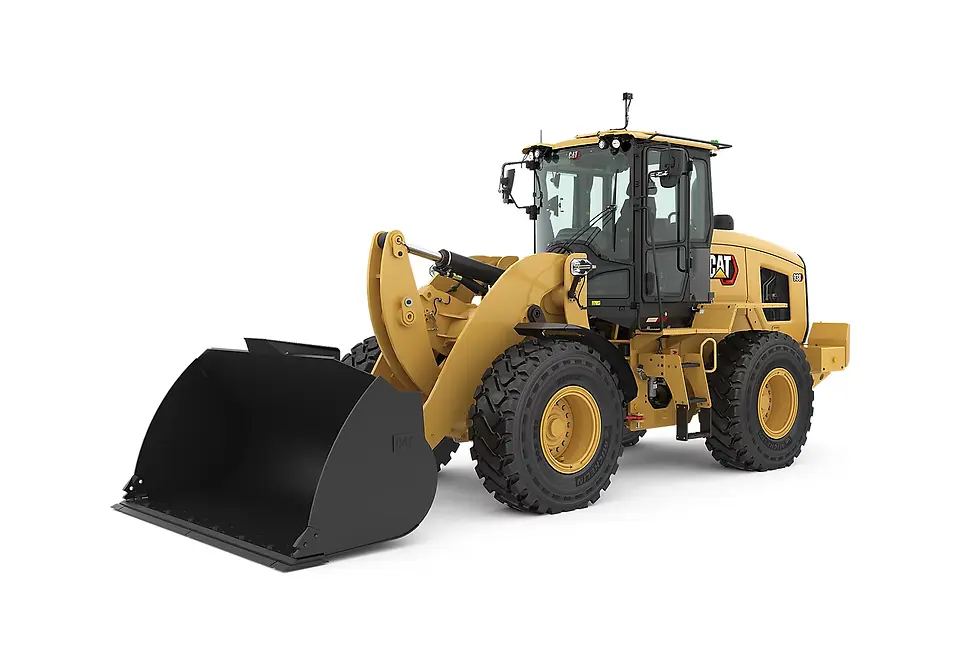
The technician and parts side of an aging machine's story deserves its own line of consideration too, separate from repair frequency alone. As a model ages out of a dealer's primary stocking list, parts lead times for anything beyond the most routine wear items tend to stretch, and fewer technicians stay current on diagnosing an older platform's specific quirks as the dealer network's training investment shifts toward current-generation machines. A machine that used to get same-week service can quietly become a two- or three-week wait for a part, and that stretch in downtime belongs in the real cost comparison just as much as the repair bill itself.
The Signs Worth Tracking Deliberately
A rising frequency of unscheduled repairs, not the scheduled service interval but genuine breakdowns between intervals, is the clearest single signal, and it is worth tracking as an actual logged number rather than a gut feeling, because the gut feeling consistently lags the real trend by months.
A widening gap between a machine's quoted trade-in or resale value and what the same model commanded a year or two earlier is a second signal, and it is one a lot of owners miss because they do not check resale value until they are actually ready to sell, by which point the window to capture the best remaining value has often already closed.
A machine that increasingly cannot keep pace with current-generation equipment on the same job, slower cycle times, lower fuel efficiency, a control system that cannot run the GPS grade-control or telematics layer the rest of the fleet already uses, is a productivity drag that does not show up on a repair-cost spreadsheet at all, but shows up just as clearly in how long a job actually takes.
Unscheduled breakdowns climbing past one or two per season, logged as an actual count, not a feeling.
Resale or trade-in value dropping faster than the model's typical depreciation curve would predict.
Cycle times and fuel efficiency falling visibly behind current-generation equipment on the same job type.
Parts lead times stretching as a model ages out of a dealer's primary stocking list.
A technician bench that increasingly struggles to source parts or diagnostic support for an older platform.
Different equipment classes also age through this curve at genuinely different paces, and treating a whole mixed fleet with a single replacement rule of thumb misses real differences between them. A compact track loader or skid steer running high daily cycle counts on a landscaping or site-utility crew tends to rack up wear-sensitive hours faster, relative to its size, than a larger dozer or excavator doing fewer but heavier cycles on a grading job, which means a smaller machine in daily rotation often needs that replacement conversation sooner in calendar time than its larger stablemates even when its hour meter looks comparatively modest.
A backhoe loader or wheel loader used across several different job types, rather than dedicated to one task, adds its own wrinkle: varied duty cycles make the repair-frequency curve noisier and genuinely harder to read cleanly from the hour meter alone, which is exactly why tracking actual unscheduled-breakdown counts as a real logged number, rather than relying on hours or age by themselves, matters more for a versatile, do-everything machine than for one running the same narrow task day after day.
Why Contractors Keep Machines Past the Right Point Anyway
The most common reason is not ignorance of the math, it is that the machine is already paid off, and a paid-off asset feels free even when its real, fully loaded cost, repair frequency, downtime, lost productivity, and foregone resale value, has quietly climbed past what a new payment would actually cost. That is a genuinely understandable instinct and also a genuinely expensive one, because paid off and cheap to operate stop being the same thing well before most owners notice the gap.
The second reason is timing discomfort: replacing a machine mid-season, in the middle of active work, feels disruptive in a way that pushing the decision to after this job or next year does not. The problem is that a machine crossing into its high-repair-frequency years does not wait for a convenient moment to break down, and the jobs most likely to get disrupted by an unplanned failure are usually the ones already running tightest on schedule and margin.
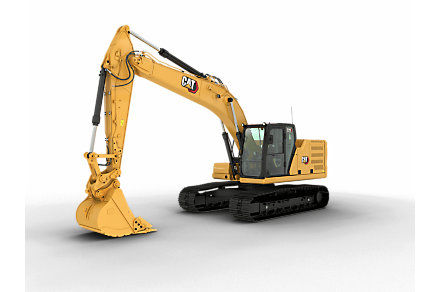
The used equipment market is also part of this decision, not a separate topic from it. A machine sold or traded while it still has reasonable hours left and a documented maintenance history commands real value from a buyer who specifically wants a machine past the steep early-depreciation curve but still well short of its high-repair years. Holding onto that same machine for two or three more seasons past its real replacement point, chasing a few more working hours out of it, often costs more in accumulated downtime and lost resale value than the trade-in would have been worth if the decision had been made earlier.
Financing structure should match the equipment's expected working life rather than being chosen purely to minimize a monthly payment. A term stretched well past the point where a machine is statistically likely to need major component work leaves a contractor financing an asset that is declining in reliability during the final years of the note, while a well-matched term lines up the payoff closer to the machine's natural replacement window, making the next trade-in or upgrade decision cleaner when it arrives.
Running the Real Comparison
A fair replacement comparison is not new monthly payment versus zero monthly payment on the paid-off machine. It is new monthly payment versus the old machine's real all-in cost, including its actual repair spend over the last year or two, a realistic estimate of downtime cost based on how often it has broken down, and the resale value still being lost every month the decision gets delayed. A full total-cost-of-ownership comparison across a multi-year horizon walks through exactly this kind of worked comparison in more depth, and the pattern holds across equipment types: the true cost gap between an aging machine and a new one is almost always smaller than it feels, and sometimes runs the other direction entirely once downtime and lost resale value get counted honestly.
None of this means replacing equipment on an aggressive, unnecessary cycle. A well-maintained machine still well inside its useful working life is genuinely the cheapest asset a contractor owns, and churning through equipment faster than the real math supports is its own kind of margin-eroding mistake. The goal is catching the actual inflection point, in either direction, rather than defaulting to either extreme out of habit.
Whether that means financing a replacement excavator, trading an aging dozer into a newer model, or adding a machine rather than replacing one, BFC works with contractors nationwide on exactly this kind of fleet-timing decision, for startups and existing businesses, with good credit or a credit history that needs a second look. See our construction equipment financing overview to get started.
Explore Financing With BFC
Whatever stage your fleet is at, financing that matches how your business actually makes money is one decision away. Visit BFC's home page to see how we work with contractors nationwide, apply for equipment financing to get a decision started, browse our equipment for sale and financing marketplace for your next machine, or subscribe to our blog for more contractor-focused guides like this one.


Comments