

Who Actually Owns Your Telematics Data, and Why It Matters for Your Insurance and Financing
Every modern excavator, skid steer, and dump truck rolling off a dealer lot today reports a constant stream of data back to somewhere. Location, engine hours, fuel burn, fault codes, idle time, and on machines with keyless-start systems, even which specific operator was running it at a given moment. Most contractors have never actually asked, and most equipment and telematics agreements never clearly explain, who legally owns that stream of data once it leaves the machine.
This is not an abstract question, and it is not one most contractors have ever been handed a straight answer to. That data increasingly flows to three different parties with three different interests: the manufacturer running the telematics platform, the dealer who sold the machine and services the warranty, and now, in a growing number of cases, the insurance company and the lender financing the machine itself.
What Is Actually Being Collected
A current-generation excavator, loader, or dump truck with factory telematics reports a fuller picture than most owners realize: GPS location updated continuously, engine hours and idle time, fuel level and consumption rate, active fault codes, and on machines with keyless-start or RFID operator identification, a record of exactly who was running it and when. Some excavators and wheel loaders now log individual load cycles and bucket fill rates as part of the same data stream.
Most contractors never actually read the telematics terms of service attached to a new CAT VisionLink, John Deere JDLink, or Komatsu Smart Construction account at the point of purchase. Those terms routinely grant the manufacturer broad rights to collect, retain, and in some cases share aggregated or de-identified versions of that data with third parties, and the checkbox agreeing to them usually gets clicked during a delivery walkthrough alongside a dozen other warranty forms, not read carefully on its own.
The amount of data varies meaningfully by manufacturer and even by model year within the same brand. A current-generation CAT machine running the latest Cat Connect hardware reports a noticeably richer data set than a five-year-old model with an earlier-generation telematics box, and a contractor comparing a used machine against a new one should factor that difference into the comparison, since it affects not just maintenance visibility but exactly how much data a lender or insurer could eventually access from that specific machine.
Why Insurers and Lenders Want Access
Insurers increasingly offer premium discounts in exchange for telematics data sharing, the same basic model as usage-based auto insurance, because location and operating-pattern data lets them price risk more precisely than a paper application alone ever could. A machine that stays within a defined jobsite radius and is never moved overnight reads as a different risk than one that travels widely or sits in an unsecured lot after hours, and insurers are increasingly willing to price that difference once they can actually see it.
Lenders are moving the same direction. How JDLink usage history can change loan terms on a backhoe is already a live example of usage-based data factoring into both underwriting and servicing decisions, and a contractor who understands this dynamic going in is in a far better position to negotiate it than one who is surprised by it after the fact.
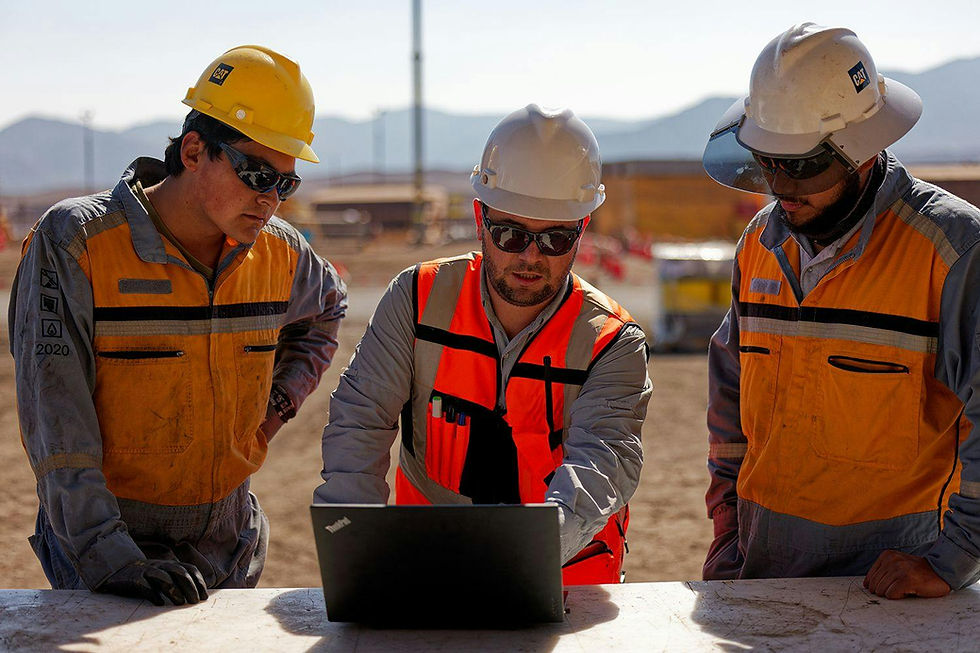
Cybersecurity sits alongside this conversation rather than apart from it. A telematics system is, functionally, an internet-connected device living on a piece of heavy equipment, and a handful of publicized incidents in recent years, remote systems being accessed without authorization, demonstration attacks against construction and agricultural equipment telematics, have made clear that the same connectivity that reports fuel burn and location can, in principle, be a point of entry if a platform's security is weak. Most major manufacturer platforms have invested seriously in securing this, but it is a reasonable question to ask a dealer rather than simply assume.
The Ownership Question Most Contractors Never Ask
In most manufacturer telematics agreements, the contractor technically retains ownership of their own raw operational data, but grants the manufacturer a broad license to use, aggregate, and in some cases share anonymized or aggregated versions of it. The practical effect is that a contractor keeps nominal ownership on paper while having very little actual control once that data leaves the machine and enters the manufacturer's cloud platform.
Corporate changes compound this in a way almost nobody plans for. When a telematics vendor is acquired, or a dealer group changes ownership, data-sharing terms can carry over to a new owner with materially different data practices than the ones a contractor originally agreed to, and that transition is rarely flagged clearly to the equipment owners whose data is actually involved.
Leasing and rental arrangements add one more wrinkle a lot of contractors never think through. Equipment coming off a lease or returning from a rental fleet carries months or years of accumulated operational data, location history, duty-cycle patterns, maintenance events, that stays with the manufacturer's platform after the machine changes hands, while the next operator starts generating new data on the same machine without necessarily knowing what history the platform already holds. A contractor renting equipment regularly for peak-season work should understand, at least roughly, what happens to the data generated during that rental period once the machine goes back.
What a Contractor Can Actually Do About It
The single most useful habit is reading the telematics terms of service before activating a new system, specifically the data-sharing and third-party-disclosure sections, rather than treating it as another warranty-activation form to sign quickly at delivery. Those sections are usually short and specific about what gets shared and with whom, once someone actually looks.
It is also worth asking a dealer or manufacturer rep directly whether a given telematics platform shares data with insurance or financing partners, and under exactly what terms, rather than assuming the answer is no by default. Several major platforms now have formal, named partnerships here, and a direct question usually gets a direct answer, because the rep does not want to be the one explaining a surprise later.
For a contractor working security-sensitive sites, government installations, utility corridors, or confidential commercial projects, it is worth remembering that live location data is being transmitted continuously from every telematics-equipped machine on that site. Understanding what, if any, additional data-handling terms should be negotiated before equipment goes to that kind of site is a genuinely useful question to raise with both the telematics provider and the project owner ahead of mobilization, not after.
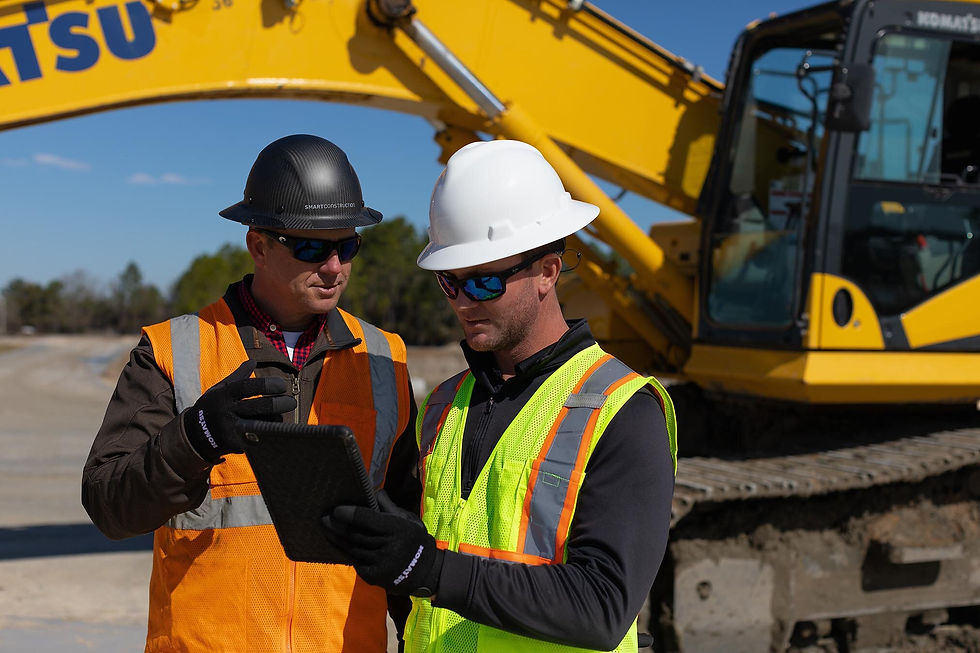
None of this needs to turn into a legal review before every equipment purchase. For most contractors, a single conversation at delivery, covering what gets collected, who it is shared with, and whether that sharing is already baked into a financing or insurance relationship, is enough to go in informed rather than finding out secondhand a year later when a renewal offer references data nobody realized was being tracked that closely.
Where This Connects to Your Equipment Financing
None of this is a reason to decline telematics-enabled equipment. The productivity, maintenance-scheduling, and safety benefits of a telematics-equipped fleet are real, and tracking equipment utilization rate as a standing metric depends entirely on having that data in the first place. The point is understanding what is actually happening with it, not avoiding the systems that generate it.
A contractor who understands how their equipment's data is used, by whom, and under what terms is in a genuinely stronger negotiating position when a lender or insurer eventually offers a telematics-based discount or underwriting adjustment. That contractor can evaluate whether the terms actually benefit the business, rather than accepting a data-sharing agreement by default because nobody on the crew ever read past the activation screen.
BFC finances telematics-equipped equipment for contractors nationwide, and this exact conversation, what gets shared, with whom, and what it is worth to both sides, is increasingly part of a complete financing discussion rather than a side issue. See our construction equipment financing overview for how we evaluate applications for growing fleets, whatever equipment and telematics setup you are currently running.
A fleet running several different brands, each with its own telematics platform and its own data-sharing terms, faces this question multiple times over rather than once, which is one more reason it is worth standardizing the conversation across every machine a business adds, instead of treating each new telematics activation as an isolated checkbox. A short internal policy, read the data-sharing terms, ask about third-party sharing, flag anything unusual to whoever manages insurance and financing, costs almost nothing to put in place and closes a gap that otherwise sits open on every new machine a contractor brings onto a growing fleet, whether that fleet runs five machines or fifty.
Explore Financing With BFC
Whatever stage your fleet is at, financing that matches how your business actually makes money is one decision away. Visit BFC's home page to see how we work with contractors nationwide, apply for equipment financing to get a decision started, browse our equipment for sale and financing marketplace for your next machine, or subscribe to our blog for more contractor-focused guides like this one.



Comments