

CAT's Pin Grabber LCS Coupler: Verified Locks for Excavator Attachments
Updated: Oct 3
A dropped attachment is one of the few failure modes on a jobsite that can turn a routine coupler swap into a genuine safety incident, and it's exactly the problem CAT engineered its way around with the Pin Grabber coupler's newer Locking Control System. If you run excavators that cycle through buckets, thumbs, grapples, and hammers throughout a workday, this is worth understanding in more depth than the average "quick coupler" explainer covers.
Why a Mechanical Lock Alone Was Never Quite Enough
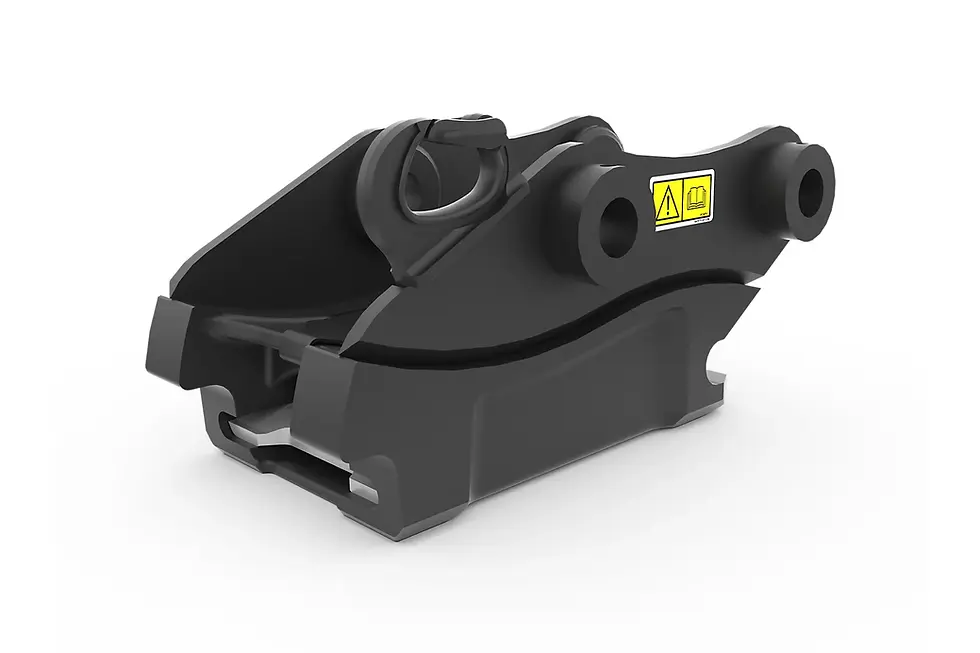
CAT's Pin Grabber family has been the standard hydraulic quick coupler on CAT excavators for a long time, and the mechanical side of it hasn't changed much, because it works: a hydraulic cylinder drives a hook-and-latch mechanism that grabs the attachment's mounting pins without the operator leaving the cab. What has changed on newer couplers like the S45 LCS, built for 7-to-9-ton mini excavators, is how the operator confirms the lock actually engaged, which has historically been the weak point in quick-coupler safety across every brand, not just CAT.
A standard mechanical coupler relies on the operator visually checking a mechanical indicator or physically testing the attachment before trusting the lock. That works until it doesn't, usually because the indicator is caked in mud, the angle from the cab makes it hard to see, or the operator is moving fast at the end of a long day. An attachment that looks locked but isn't is how buckets and grapples end up on the ground mid-swing.
What the Locking Control System Actually Adds
The S45 LCS builds an electronic position sensor directly into the coupler that communicates with the excavator's engine control module, giving the operator a precise, reliable confirmation signal rather than a mechanical indicator they have to interpret themselves. CAT paired that with a visual verification rod the operator can also check from the cab, so there are two independent ways to confirm a full lock, electronic and visual, instead of relying on one. The coupler's components are housed internally specifically to resist the mud, dust, and debris that foul exposed mechanical indicators on a typical jobsite.
On the numbers, the S45 LCS weighs 209.4 lbs, carries an integrated lifting hook rated for 6,613.9 lbs that lets an operator switch between digging and rigging-style lifting tasks without a tool change, uses a 2-inch pin diameter sized for the 7-to-9-ton excavator class it's built for, and operates at a maximum pressure of 5,076 psi. None of those numbers matter as much as the verification system does, but they confirm this is a purpose-built coupler for a specific machine class, not a generic attachment.
The Broader Pin Grabber Family Still Covers the Heavier Work
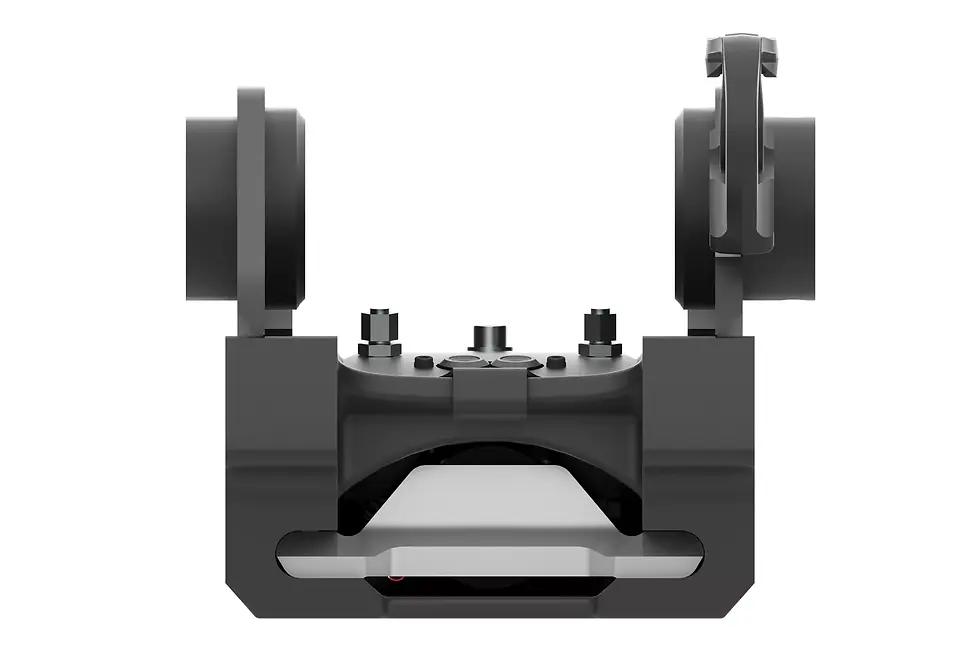
CAT's HB-Linkage Pin Grabber, the coupler most excavator operators have run at some point, uses a different mechanical linkage better suited to larger excavators and heavier attachment classes, and it remains the workhorse option across much of CAT's excavator lineup. It handles the same core job, grabbing an attachment's pins through a cab-operated hydraulic lock, letting an operator move from a digging bucket to a rake for site cleanup, to a thumb for handling debris, without ever leaving the seat. A lifting eye built into the HB-Linkage design lets an operator relocate a trench box or shift material without swapping to a different tool first. The electronic verification approach pioneered on couplers like the S45 LCS is the direction CAT's coupler lineup is heading, layering a genuine safety upgrade onto a mechanism that already worked well mechanically.
Named Trades That Actually Live on Quick Couplers
Utility contractors running trench boxes, pipe, and backfill material through a single mini excavator shift between a digging bucket and a grading blade dozens of times a day, and every one of those swaps is a moment where a verified lock matters. Demolition subs running hammers and grapples interchangeably on the same machine depend on fast, trustworthy coupler swaps to keep a crew productive without constant exits from the cab. Site-development contractors clearing brush, moving spoil, and grading in the same work session lean on a coupler system that lets one machine cover three or four distinct jobs in a single day. Landscape and hardscape contractors running a mini excavator across several small residential sites in a day benefit most from fast, confident attachment changes between stops.
What a Dropped Attachment Actually Costs
It's worth being blunt about what this technology is actually insuring against. A coupler failure that drops an attachment mid-cycle isn't just downtime, it's a liability exposure, a potential injury to ground personnel working nearby, and in the worst case a damaged machine arm or boom from an attachment swinging free. None of that shows up on a spec sheet comparison, but it's the real cost a verification system like the LCS is designed to prevent. For a rental fleet or a contractor running attachments across multiple crews and operators with varying experience levels, that verification layer is worth more than the coupler's purchase price alone suggests.
Maintenance Habits That Keep a Hydraulic Coupler Trustworthy
A coupler's safety record over its service life depends partly on maintenance habits that are easy to let slide. Hydraulic couplers need regular greasing at the pin and wedge contact points to keep the mechanism moving freely and to prevent the kind of wear that eventually affects how precisely the lock engages. Operators should also get in the habit of actually testing a new lock, lightly lifting and shaking an attachment before putting it into full work, rather than trusting the verification system alone every single time. Electronic sensors are a major improvement over a purely mechanical indicator, but they work best as a second layer of confidence on top of good operating habits, not a replacement for them.
Mixed-Brand Fleets Make Coupler Compatibility a Real Planning Question
A contractor running CAT excavators alongside Bobcat, Kubota, or John Deere equipment needs to think about attachment compatibility across brands before assuming a bucket or grapple that fits one machine fits another. Pin diameter, hook geometry, and hydraulic flow requirements vary enough between manufacturers that attachments aren't always interchangeable even within the same general size class, and a contractor who buys an attachment assuming universal fit can end up with an expensive tool that doesn't mount to half the fleet. Confirming coupler compatibility before adding either a new machine or a new attachment to a mixed-brand fleet avoids that costly mistake.
Rent-vs-Own: Why the Right Coupler Setup Belongs on the Machine You Own
A rental excavator rarely comes configured with the exact coupler and attachment compatibility a specific job calls for, which means a contractor renting machine by machine is also re-learning a different coupler system, different verification method, and different attachment fleet every time. Owning your own excavator with the coupler system matched to your actual attachment lineup, Pin Grabber LCS for a mini excavator cycling attachments constantly, HB-Linkage for a larger machine running heavier tools, means your crew trains once and runs confidently every day after that, rather than adapting to whatever the rental yard had available.
Equipment financing through BFC covers the excavator and the coupler and attachment package together as one deal rather than forcing you to finance the machine now and the attachments later at a worse rate. Deposit requirements flex from no money down for strong, established credit up to a moderate percentage for newer operations still building a credit file, and BFC serves contractors nationwide, not one region, whether you're outfitting a single mini excavator or a multi-machine fleet running mixed attachment classes.
How Coupler Choice Fits Into a Broader Excavator Purchase
If you're buying a mini excavator and deciding how to configure it, it's worth reviewing how the CAT 416 compares to John Deere's 310 P-Tier for a sense of how CAT's mechanical and electro-hydraulic control philosophy shows up across different equipment classes, since the same engineering approach that drives coupler verification tech also shows up in how CAT builds control systems more broadly. And if grade precision matters as much as attachment versatility on your jobs, understanding how CAT Grade Technology's 2D and 3D systems work rounds out the picture of how CAT layers smart systems onto otherwise familiar mechanical equipment. For the business side of protecting a machine this configured, it's also worth knowing how CAT's CVA protection plan compares to Bobcat's Protection Plus before you finalize a purchase.
Financing the Whole Package, Not Just the Machine
A coupler and attachment package is part of what makes an excavator actually productive on your specific jobs, not an afterthought bolted on after the purchase. BFC structures financing to cover the complete package, machine, coupler configuration, and the attachments your crew actually runs, so the equipment arrives ready to work rather than needing a second financing conversation down the line.



Comments