

CAT Product Link Explained: What PL161, Product Link Elite, and Satellite Hardware Actually Track
Nearly every new CAT machine that leaves a dealer lot today ships with Product Link hardware already installed. What most buyers don't realize is that "Product Link" isn't one piece of hardware -- it's a family of different telematics tiers, and the tier bolted to a specific machine determines how much data actually flows into CAT VisionLink. If you're buying or financing a CAT machine, understanding which Product Link tier it carries matters more than most equipment shoppers assume -- both for day-to-day fleet management and for how a lender or future buyer will eventually view that machine's maintenance history.
Product Link Is Hardware; VisionLink Is the Platform You Actually Use
It helps to separate the two halves of the system clearly. Product Link is the physical telematics control module bolted onto the machine -- it has a GPS receiver, a connection to the machine's electronic control system, and either a cellular or satellite radio to transmit data. VisionLink is the web and mobile platform where that data actually becomes useful: location pins, hour meters, fault codes, utilization charts, and maintenance alerts. Every current CAT machine comes with some form of Product Link hardware and a Caterpillar-funded subscription period to VisionLink, but which hardware tier is installed changes what shows up on the other end.
PL161: The Entry-Level Tier on Smaller and Compact Equipment
PL161 is the cellular Product Link module Caterpillar fits to a wide range of smaller machines, including many compact track loaders and skid steers. It covers the fundamentals well: GPS location, machine hours, basic fault code reporting, and standard geofencing and theft-deterrent alerts if the machine moves outside an assigned area or operating window. For a contractor running one or two compact machines, PL161-level data is usually enough to answer the two questions that matter most day to day -- where is the machine, and is anything wrong with it -- without needing to dig through a deeper fleet-analytics dashboard.
Product Link Elite: The Richer Tier on Larger Iron
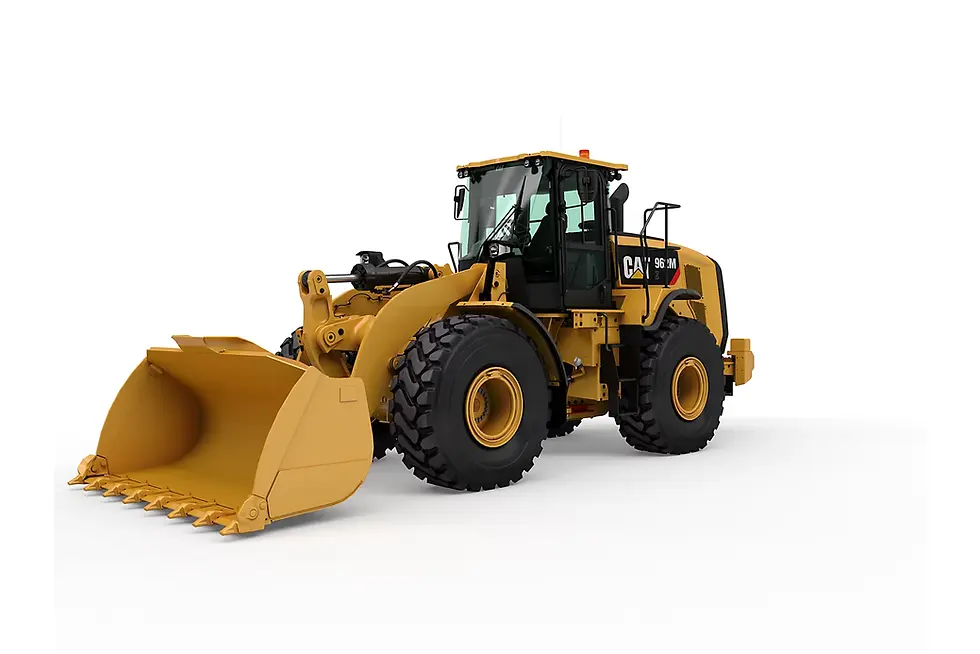
Move up to larger machines -- larger wheel loaders, excavators, and dozers -- and Caterpillar generally steps up to the Product Link Elite family, which includes variants like PLE601, PLE602, and PLE702 depending on the machine platform. Elite-tier hardware reports meaningfully more than the entry tier: payload and production data on machines equipped for it, idle-time versus working-time breakdowns, fuel burn rates, event-based alerts tied to specific fault severity levels, and in many cases two-way communication that lets a dealer or fleet manager remotely check diagnostic codes before a technician is ever dispatched to the site. For a contractor managing a mixed fleet, this is the difference between knowing a machine exists and actually knowing how hard it's working.
PL631: Satellite Coverage for Jobsites Cellular Can't Reach
Some CAT machines -- particularly larger equipment destined for remote sites, pipeline right-of-way work, or rural earthmoving far from reliable cellular coverage -- are available with PL631, a satellite-based Product Link variant. Where cellular-tier hardware simply goes quiet in a dead zone until the machine comes back into range, satellite coverage keeps reporting location and status essentially everywhere, at the cost of a typically higher data subscription once the included period ends. For a contractor who mostly works within cell coverage, satellite hardware is unnecessary cost; for one running equipment in genuinely remote terrain, it can be the only tier that actually keeps a fleet visible.

PL641: Cellular Hardware Built for Continuous Reporting
PL641 sits in the cellular lineup as a higher-reporting-frequency option used on equipment where more frequent location and status updates matter -- fleets doing active dispatch and routing, or operations tracking multiple machines moving between sites in a single day. The practical difference versus a basic entry-tier module is reporting cadence and data richness, not a fundamentally different capability -- it's still cellular, still feeding VisionLink, just configured to check in more often and carry more detail per report.
Why the Hardware Tier Actually Matters for Financing and Resale
This isn't just a spec-sheet curiosity. Machines with richer telematics data -- accurate hour meters that can't be rolled back, documented maintenance-alert history, utilization patterns that show a machine wasn't run into the ground -- are easier for a lender to underwrite with confidence and easier for a dealer to represent accurately at resale or trade-in. A buyer evaluating a used CAT machine with a full Product Link Elite history has a real data trail to point to; a buyer looking at a machine with only basic entry-tier reporting, or a lapsed subscription and no data at all, is relying more heavily on a visual inspection and the seller's word. If you're comparing Elite-tier telematics against a different brand's platform, our breakdown of CAT VisionLink versus Bobcat Machine IQ covers how the two ecosystems compare for a mixed fleet.
Which Trades Actually Need the Deeper Tier
General contractors and excavation crews running larger wheel loaders, dozers, or excavators across multiple active sites benefit most from Elite-tier payload and utilization data for job-costing.
Demolition and site-prep operations with equipment moving between jobsites frequently get real value from the higher-cadence reporting in PL641-class hardware for dispatch and routing.
Pipeline, utility, and rural grading contractors working outside reliable cellular coverage are the clearest case for PL631 satellite hardware -- everyone else can generally skip the added subscription cost.
A roofer or small subcontractor running a single compact track loader or skid steer is usually well served by basic PL161-tier reporting and doesn't need to pay up for Elite-tier depth.
How to Actually Check Which Tier a Machine Has
Before assuming a machine's telematics capability, it's worth confirming the hardware tier directly rather than guessing from the equipment class alone. A CAT dealer can look up the installed Product Link module by the machine's serial number and tell you exactly which variant is fitted and whether the VisionLink subscription tied to it is active. If you're buying through a private sale or at auction rather than through a dealer, ask the seller to pull up the machine's VisionLink dashboard on the spot if possible -- a working login with real historical data is a far stronger signal than a verbal assurance that "it has telematics." Machines that changed hands more than once sometimes have the subscription registered to a previous owner's account entirely, which can complicate getting access even when the hardware itself is functioning fine.
What Shows Up on the VisionLink Dashboard by Tier
The practical day-to-day difference between tiers is easiest to see in what actually populates the VisionLink dashboard itself. On PL161-tier equipment, a fleet manager logging in generally sees a location map, a running hour meter, basic active fault codes, and geofence or after-hours movement alerts -- useful, but limited to the essentials. On Product Link Elite-tier machines, that same dashboard adds idle-versus-working time breakdowns, fuel consumption trends over a selectable date range, payload totals on machines configured for it, and historical fault code logs rather than just whatever is currently active. For a fleet manager trying to job-cost a specific machine against a specific project, that historical and production-level detail is the entire point of paying for the richer tier.
The Subscription Reality Most Buyers Miss
Caterpillar includes a funded VisionLink subscription period with new equipment, but that period eventually lapses, and continuing the subscription afterward carries an ongoing cost that varies by hardware tier -- satellite coverage generally costs meaningfully more to keep active than a basic cellular plan. Before buying a used CAT machine, it's worth asking the seller or dealer directly whether the Product Link subscription is current, lapsed, or was never renewed after the included period -- a lapsed subscription doesn't mean the hardware is broken, but it does mean the utilization history you'd otherwise get for free isn't there.
Financing a Machine Around Its Telematics Tier
None of this changes the fundamentals of how equipment financing works, but it's a legitimate factor to weigh when comparing two similarly priced used machines. Deposit requirements on a financed CAT purchase still track credit profile the way they do on any equipment loan -- strong credit can support $0-down structures, while thinner credit files more commonly see deposits in the 10% to 20% range, occasionally higher -- and a well-documented utilization history from an active Product Link subscription can sometimes make the difference in how confidently a lender values the asset behind the loan.
The Bottom Line
Product Link isn't a single feature -- it's a tiered hardware family, and the tier installed on a specific CAT machine determines whether you get basic location-and-hours reporting or a genuinely rich utilization and diagnostic history. Before financing a new or used CAT machine, it's worth confirming which Product Link hardware it carries and whether the VisionLink subscription behind it is actually active. That one question can tell you more about a machine's real operating history than the odometer-equivalent hour meter alone.
Financing a CAT Machine, Whatever Tier It Carries
BFC finances CAT skid steers, loaders, and compact equipment for contractors nationwide, regardless of which Product Link tier a specific machine carries. If telematics history and documented utilization matter to your buying decision, bring that documentation into the conversation when you apply -- it can only help the underwriting picture.
Ready to Move Forward?
Whatever CAT machine and Product Link tier you're evaluating, the fastest way to find out what financing looks like is to run the numbers on your actual deal. Visit our homepage to see how BFC works with contractors nationwide, start a free, no-obligation equipment financing application to see what you qualify for, browse our equipment for sale and financing marketplace if you're still shopping for the right machine, or subscribe to the BFC blog for more telematics and equipment-financing breakdowns like this one.


Comments