

Cold-Start Engineering Compared: How CAT, Bobcat, Kubota, John Deere, and Komatsu Handle a Frozen Morning
Updated: Oct 3
A machine that won't start on a sixteen-degree morning isn't a machine, it's a liability sitting in the yard while the crew stands around waiting. Cold-start reliability doesn't get nearly the attention that horsepower and bucket capacity get in most buying conversations, but for a contractor working anywhere with a real winter, it's one of the more consequential engineering differences between comparable machines.
Why Cold Starts Are Genuinely Hard on a Diesel Engine
Diesel engines rely on compression heat, not a spark plug, to ignite fuel — which is exactly why cold ambient temperatures make starting harder. Cold air is denser and compresses to a lower peak temperature, cold engine oil is thicker and resists cranking, and cold diesel fuel itself can begin to gel or cloud at the wax point well before it reaches outright freezing. Every one of those factors stacks against a machine on a genuinely cold morning, which is why manufacturers build dedicated systems specifically to fight all three at once.
Battery health plays a role here too, even on a purely diesel machine — cold weather reduces a lead-acid battery's effective cranking amperage significantly, which means a battery that's been quietly weakening all year (and starting the engine fine in warm weather, where the reduced amperage isn't yet a problem) can suddenly fail to crank the first genuinely cold morning of the season. A pre-winter battery test, rather than waiting to find out the hard way, is a five-minute check most dealers and auto parts stores offer for free.
A contractor weighing whether cold-start capability is worth paying extra for on a specific machine should also revisit the broader preventive maintenance schedule for that machine — winter-specific checks (battery, coolant concentration, DEF system, fuel) belong as a seasonal add-on to the standard schedule, not a separate program, and the same cold-weather maintenance timing logic that applies to a financing decision applies just as well to deciding when to run these winter-specific checks before the season actually turns.
Glow plugs or intake grid heaters warm incoming air before compression, block heaters keep the engine coolant and surrounding metal from dropping to full ambient temperature overnight, and fuel system heaters or winter-blend diesel address gelling risk directly. A machine missing any one of these systems is leaning on the operator's patience and the other two systems to pick up the slack.
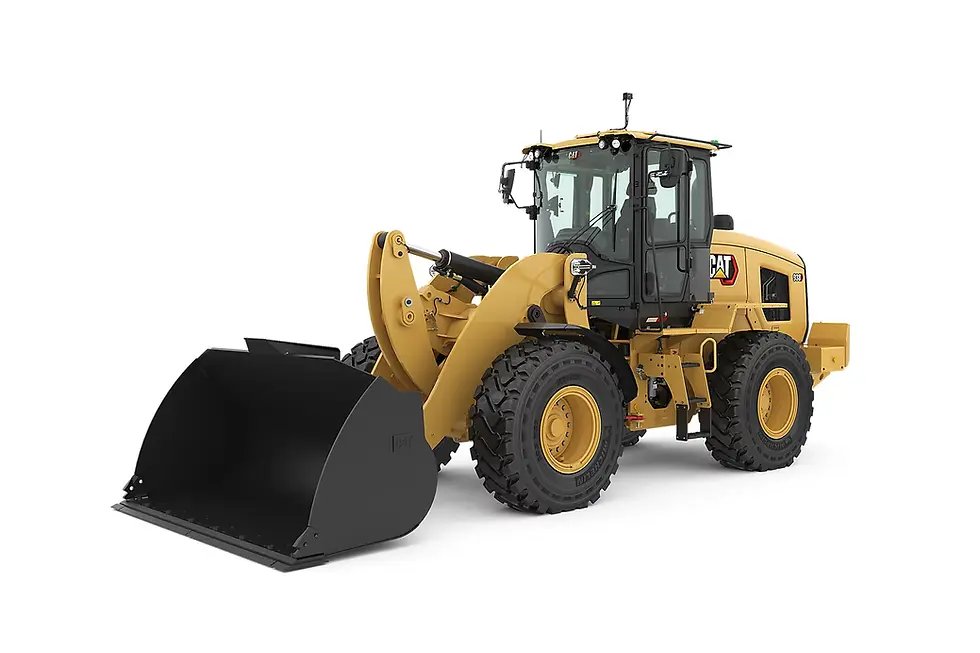
Where the Approaches Genuinely Differ
Block heater provisioning is one of the more visible differences across brands — some manufacturers build an electric block heater in as a standard feature on machines sold into northern climates, while others treat it as a dealer-installed option the buyer has to specifically request. A contractor ordering a Kubota compact track loader or similar machine for year-round use in a cold-winter region should ask specifically whether a block heater is standard or an add-on for that particular model and configuration, rather than assuming it's automatically included.
Glow plug and intake heater systems have also evolved meaningfully across recent engine generations industry-wide, with modern electronic engine control units managing pre-heat cycle timing far more precisely than older mechanical systems did — reducing both the wait time before starting and the risk of over- or under-heating the intake charge. A newer-generation machine from any of the major manufacturers generally cold-starts noticeably better than an older-generation machine from the same brand, independent of brand-to-brand differences, simply because engine control technology has genuinely improved.
DEF and Emissions Systems Add Their Own Cold-Weather Wrinkle
Modern diesel engines running Diesel Exhaust Fluid (DEF) as part of their emissions system introduce one more cold-weather consideration: DEF itself freezes at a notably higher temperature than diesel fuel does, and most equipment handles this with a heated DEF tank and lines. A contractor running equipment through a genuine winter should confirm the DEF system on any machine they're considering has adequate heating, since a frozen DEF system can limit engine power output or trigger derate modes until it thaws, even if the engine itself started just fine.
Cold-Weather Hydraulics Are a Separate Problem From Cold-Starting the Engine
Getting the engine running is only the first cold-weather hurdle. Hydraulic fluid thickens significantly in cold temperatures, and a machine that starts fine but gets put straight to work on frozen hydraulics is running sluggish, unresponsive controls and placing extra strain on pumps and seals that are working harder to push thickened fluid through the system. Most manufacturers recommend a warm-up idle period specifically to bring hydraulic fluid temperature up before full-load operation in cold weather, separate from whatever warm-up the engine itself needs.
Some machines offer cold-weather hydraulic fluid as a factory or dealer option specifically formulated to stay more fluid at low temperatures, reducing that warm-up period and the associated component strain. A contractor spec'ing a machine specifically for a cold-climate operation has a legitimate reason to ask about this option the same way they'd ask about a block heater, rather than assuming standard hydraulic fluid performs the same everywhere it's sold.

Block heater availability varies by manufacturer and model — confirm whether it's standard or a specific add-on before ordering for cold-climate use.
Newer engine generations generally cold-start better than older ones from the same brand, thanks to more precise electronic pre-heat management.
DEF freezes at a higher temperature than diesel fuel; confirm the DEF system's heating is adequate for genuinely cold climates.
Fuel gelling risk is real below freezing; winter-blend fuel and a fuel heater (where equipped) both matter on the coldest mornings.
Battery Systems Add a Newer Cold-Weather Variable
As electric and hybrid construction equipment starts appearing in more fleets, cold weather introduces a variable that diesel-only contractors haven't had to think about before: battery performance and charging efficiency both drop meaningfully in cold ambient temperatures, the same way it does in an electric car. Equipment makers building battery-electric compact machines generally address this with thermal management systems that keep the battery pack within an optimal temperature range regardless of outside conditions, but the effectiveness of that system varies by manufacturer and by how new the platform is.
For a contractor evaluating an electric or hybrid machine for genuinely cold-climate use, asking specifically about documented cold-weather range and charging performance — not just the headline range figure measured under ideal conditions — is worth doing before committing, the same way a diesel buyer should ask about block heater provisioning rather than assuming it's included.
Why This Belongs in a Financing Conversation, Not Just a Spec Sheet
A machine that struggles to start reliably through a real winter isn't just an inconvenience — it's lost productive hours on a financed asset that's accruing payments whether it starts or not. Contractors buying for year-round, cold-climate use have a legitimate reason to weigh cold-start provisioning as seriously as they'd weigh lift height or bucket capacity, because the gap between a well-equipped and poorly-equipped machine shows up precisely on the mornings a job can least afford to lose.
A contractor relocating operations to a colder region than they're used to, or expanding into winter-weather work for the first time, has a legitimate reason to ask a dealer directly which specific cold-weather options other customers in that same region actually order — that real-world pattern, not just the factory options list, is often the most honest signal of what actually matters on the ground.
Renting around a tough winter avoids the cold-start question by simply not owning the problem, but it also means paying rental rates indefinitely with nothing to show for it. Financing the right machine — one actually equipped for the climate it'll work in — builds equity while keeping those cold mornings from becoming lost productivity. BFC finances equipment for startups and existing businesses nationwide, any credit profile, including the kind of cold-climate-ready specs that matter for contractors working real winters. Apply for equipment financing with the climate the machine will actually work in already factored into the decision.


Comments