

CAT Stick Steer and Bobcat Selectable Joystick Controls: Rethinking Operator Fatigue
Updated: Oct 3
Operator fatigue is one of those jobsite costs nobody puts on a spreadsheet, but every experienced excavator or skid steer operator knows exactly what it feels like after nine hours of working two foot pedals and a set of hand levers, or wrestling a mechanically linked joystick through a full day of fine grading. CAT and Bobcat have each taken a real swing at that problem from two different directions, and understanding both is worth more to a contractor's buying decision than most spec-sheet comparisons.
CAT's Industry-First Answer: Stick Steer on the Next Generation Mini Excavators
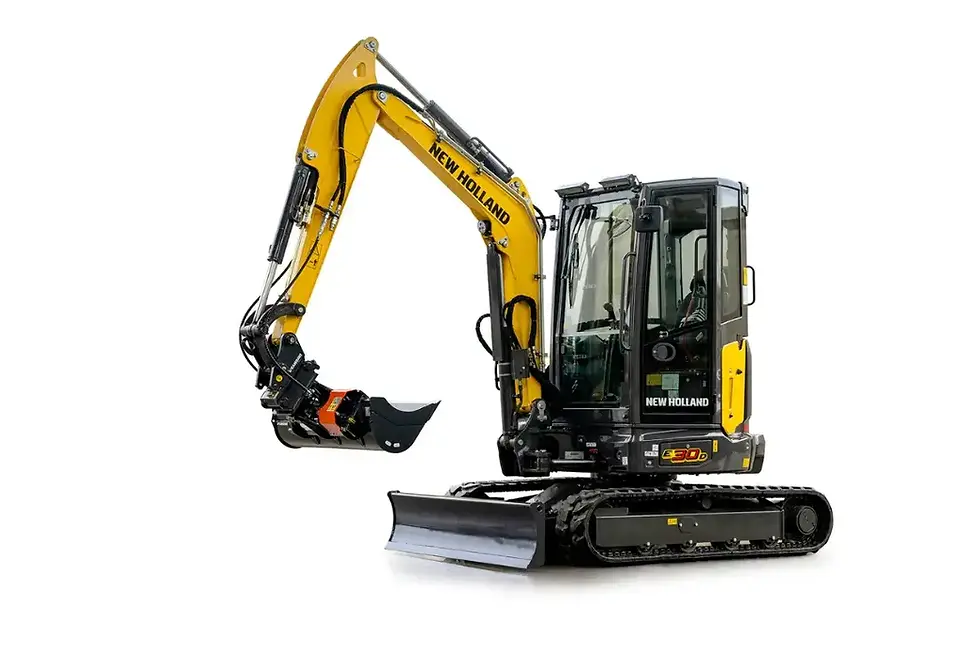
When Caterpillar rolled out its Next Generation mini excavator lineup, the 301.5, 301.7 CR, 301.8, and 302 CR, the headline feature wasn't a horsepower bump or a dig-depth increase. It was Stick Steer, a genuine industry-first standard feature that lets an operator switch between conventional lever-and-foot-pedal steering and left-hand joystick steering at the push of a button, right from the cab, without any tool or dealer visit involved.
That matters because the predecessor control scheme, foot pedals combined with separate hand levers for travel, is the control layout nearly every excavator operator has learned on and still operates by default. CAT didn't eliminate that familiar layout. Stick Steer adds a genuinely better option on top of it, and the ability to toggle back and forth means an operator can run the traditional setup for tasks where it still feels natural and switch to single-joystick steering for the kind of repetitive, fine-control travel work where it meaningfully cuts fatigue. CAT's own characterization of the benefit is understated and accurate: less physical effort for the same or better control.
What Riding on One Joystick Actually Changes
A foot-pedal-and-lever travel system asks an operator to coordinate three separate inputs, left pedal, right pedal, and whatever hand lever controls the attachment or auxiliary function, for hours at a stretch. That's a lot of small, repeated muscle engagement that adds up over a ten-hour day, especially on jobs with constant repositioning, utility work, residential lot grading, landscape installation, where the machine is moving almost as often as it's digging. Consolidating travel control into a single joystick input reduces the number of separate muscle groups working continuously, which is the real mechanism behind CAT's "less effort" claim, not a marketing abstraction.
CAT paired Stick Steer with two other genuinely first-to-market features on the same Next Generation lineup worth knowing about: a tilt-up canopy or cab that gives a technician full access to hydraulic components in under five minutes for service, and an available factory air conditioning option on machines this size, both unusual in the sub-2-ton mini excavator class where cost pressure typically pushes those features off the spec sheet entirely.
Bobcat Solved a Related Problem Years Earlier, From a Different Angle
Bobcat's approach lives on a different machine class, skid steers and compact track loaders, and solves a related but distinct problem: not how to steer, but how to let an operator run a fully electronic, pattern-selectable control scheme instead of a mechanically linked one. Selectable Joystick Controls, Bobcat's SJC system, lets an operator choose between ISO and H-pattern control layouts in software rather than being locked into whichever pattern the machine shipped with, and because the system is electronic rather than mechanically linked, it delivers meaningfully lower operating effort than a traditional mechanical joystick setup, plus the ability to customize drive response, workgroup response, auto throttle behavior, and steering drift compensation to an individual operator's preference.
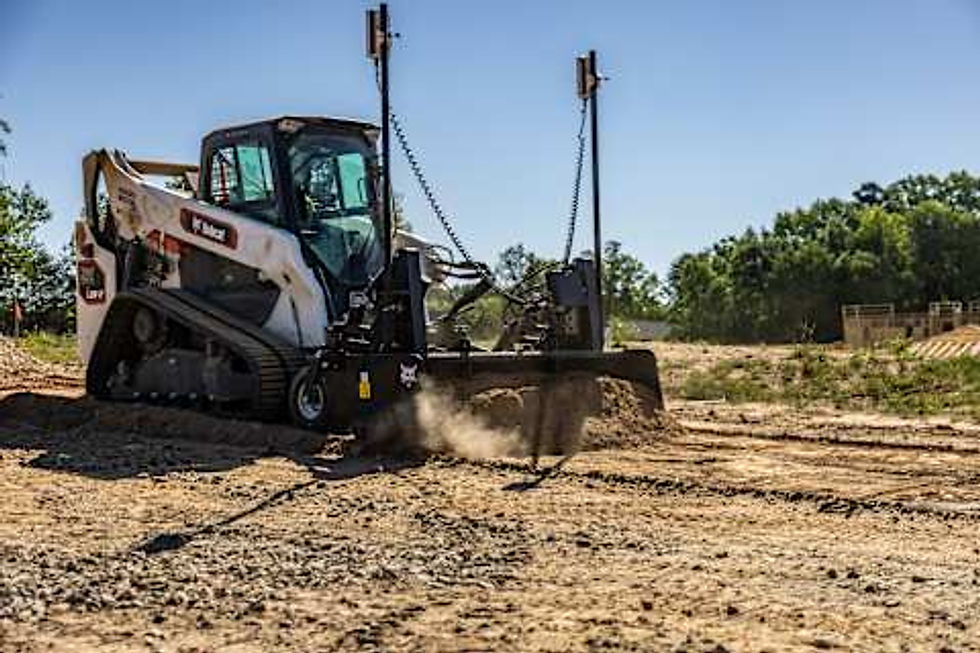
The predecessor here is the mechanically linked joystick and hand/foot control layouts that defined skid steer operation for decades, systems that worked but offered no real customization and no meaningful effort reduction over a long shift. SJC comes standard on Bobcat's current Pro-series lineup, including the T76-2 and S/T86-2, where it's the only control option offered, no hand/foot controls available at all, which tells you how confident Bobcat is in the system at this point in the lineup's life. It remains available as a factory option on several Classic models for contractors not ready to move to the Pro platform.
Two Different Machines, the Same Underlying Insight
What's genuinely interesting putting these two systems side by side is that CAT and Bobcat arrived at a similar conclusion, mechanical, multi-input control schemes cost operators real fatigue over a working day, from almost opposite directions. CAT's answer preserves operator choice and adds joystick steering as a selectable alternative on a machine class, mini excavators, where foot-pedal steering has been the default for generations. Bobcat's answer standardizes an electronic, customizable joystick scheme as the primary control method on its newest skid steers and CTLs, eliminating the mechanical alternative outright on certain models. Neither approach is objectively superior to the other; they're solving the ergonomics problem for different machine types with different operating demands, and a contractor running both brands across a mixed fleet benefits from understanding both rather than assuming one brand's philosophy applies to the other's machines.
Named Trades Where Operator Fatigue Is a Real, Measurable Cost
Underground utility and site-development contractors running a mini excavator for trenching and backfill all day benefit directly from Stick Steer's fatigue reduction on a machine that's repositioning constantly between short digging cycles. Landscape and hardscape contractors fine-grading residential lots with a skid steer or CTL for eight-plus hours a day are exactly the operators SJC's customizable response curves and reduced operating effort were built for. General contractors and demolition subs rotating less-experienced operators through a machine during a busy season benefit from both systems' lower learning curve, since reduced physical effort and customizable response settings make it easier for a newer operator to run a machine competently sooner, not just more comfortably.
Electronic Controls Also Change What a Repair Actually Looks Like
Moving from a mechanically linked control system to an electronic one changes more than how a joystick feels in an operator's hand. A mechanical linkage that wears or binds over years of use is a known, physical repair, a cable, a rod, a pivot point a technician can see and replace. An electronic system like SJC or Stick Steer's toggle mechanism shifts that maintenance profile toward sensors, wiring harnesses, and control modules, which tend to be more reliable over the long run but require a different diagnostic approach and, in some cases, dealer-level diagnostic tools rather than a shop wrench. That's not a reason to avoid either system, both have been in the field long enough to have real reliability track records, but it's worth factoring into which dealer network you lean on for service once a machine carrying either technology is out of basic warranty.
What This Means for a Mixed-Brand Fleet
A contractor who already runs Bobcat skid steers and is now looking at a CAT mini excavator, or the reverse, shouldn't expect either control philosophy to transfer directly. An operator used to SJC's electronic joystick responsiveness on a Bobcat CTL will still need a few hours to get comfortable with Stick Steer's toggle-based approach on a CAT mini excavator, because the two systems solve genuinely different control problems even though they're both aimed at reducing fatigue. Budgeting a short familiarization period when adding either technology to a fleet for the first time, rather than assuming instant transfer from experience on the other brand, avoids a rough first week with a new machine.
Rent-vs-Own: Fatigue-Reducing Tech Only Pays Off With a Consistent Operator
A rental machine, picked up for a few weeks on a single project, rarely gives an operator enough time behind a new control system to actually benefit from its fatigue-reduction advantages, since most of that benefit compounds over repeated, full-length shifts on the same machine rather than showing up in the first few hours. Owning a CAT mini excavator with Stick Steer or a Bobcat CTL with SJC means the same operator runs the same control scheme day after day, building the kind of familiarity that actually translates lower physical effort into measurably better end-of-day output and fewer repetitive-strain complaints over a full season.
Equipment financing through BFC covers machines equipped with either of these systems the same way it covers any other configuration, no separate approval process or financing conversation required because a machine happens to carry a newer control technology. Deposit requirements range from no money down for strong, established credit up to a moderate percentage for newer operations still building a credit file, and BFC works with contractors nationwide, not one region, whether you're adding a single Next Generation CAT mini excavator or standardizing a multi-machine Bobcat Pro fleet around SJC.
Where This Fits With the Rest of CAT's Next Generation Lineup
If Stick Steer has you looking seriously at CAT's Next Generation mini excavators, it's worth reading how the broader lineup compares to Bobcat's equivalent class in our breakdown of CAT's 303 CR against the Bobcat E35 R2-Series, which covers operating weight, breakout force, and dig depth across both machines in detail. And since attachment coupling matters just as much as steering comfort over a long day, our look at CAT's Pin Grabber LCS coupler and its electronic lock verification covers the other major piece of operator-facing technology CAT has rolled out recently. For the Bobcat side of a mixed fleet, Bobcat's Bob-Dock hands-free hydraulic coupling system rounds out the picture of how both brands are investing in the operator experience, not just raw specs.
Financing the Machines That Actually Make a Long Day Easier
Operator comfort and reduced fatigue aren't soft, feel-good features. They translate into fewer end-of-shift mistakes, better retention of operators who'd rather run a less exhausting machine, and genuinely higher output on long days. BFC structures financing around the machine that actually fits how your crew works day in and day out, control technology included, rather than treating it as an afterthought to the base spec sheet.



Comments