

Kubota Genuine Parts vs. John Deere Parts: RTV and Gator Utility Vehicle Parts Availability Compared
Every UTV comparison we've written, from the diesel RTV-X1140 vs. XUV865M matchup to the speed-first Sidekick vs. XUV835M fight, comes down to horsepower, cargo, and towing. None of that matters on the day your UTV is sitting at the shop waiting on a part. A utility vehicle earns its keep by being available every single day a job is open, moving tools, people, and material between work fronts, and the thing that actually determines whether it's available is how fast you can get a part when something breaks. That's a parts and dealer network question, not a spec sheet question, and it deserves its own honest look.
We've already made this same argument for larger equipment, comparing OEM dealer parts support in our pieces on mini excavator parts availability and compact track loader parts availability. The same logic applies to a UTV, arguably more so, because a UTV is the machine your crew touches the most hours in a given week, even if it's the least expensive thing on your equipment list.
Kubota's Dealer Footprint and Where Parts Actually Come From
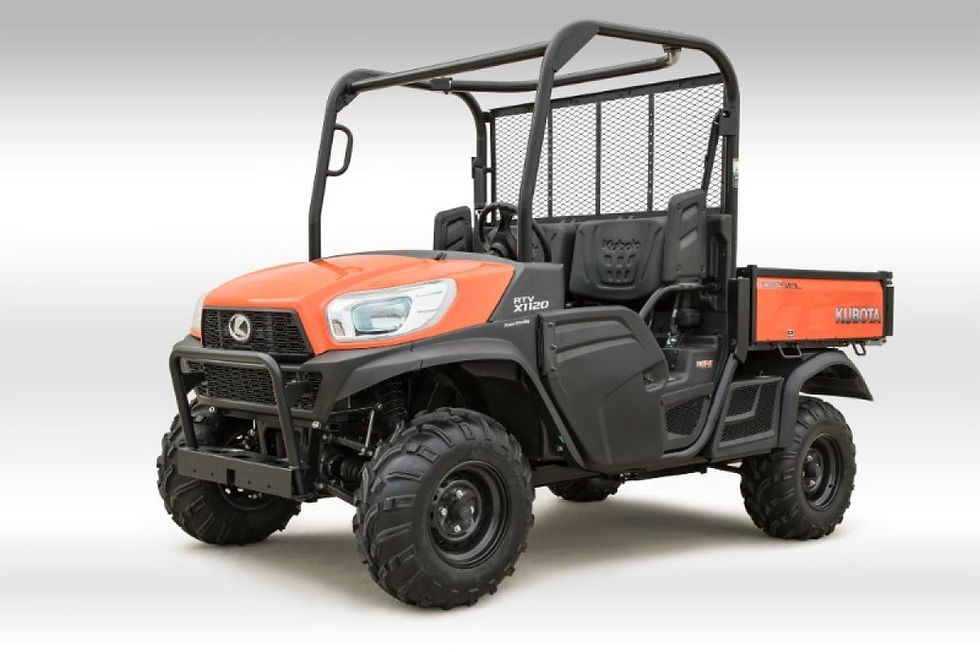
Kubota puts a specific number on its own dealer network: over 1,100 trusted dealers across the United States, according to Kubota's own company information. That's a genuinely dense footprint for a brand whose UTV business sits alongside its much larger tractor and construction equipment lines, and it means most contractors running an RTV are within a reasonable drive of an authorized Kubota dealer carrying genuine parts stock. Kubota's parts and service structure runs through that same dealer network, with owners directed to a dealer locator and parts lookup through kubotausa.com's parts and service pages, and through the MyKubota owner app for maintenance tracking and dealer contact.
John Deere's Dealer Footprint and the Consolidation Trend
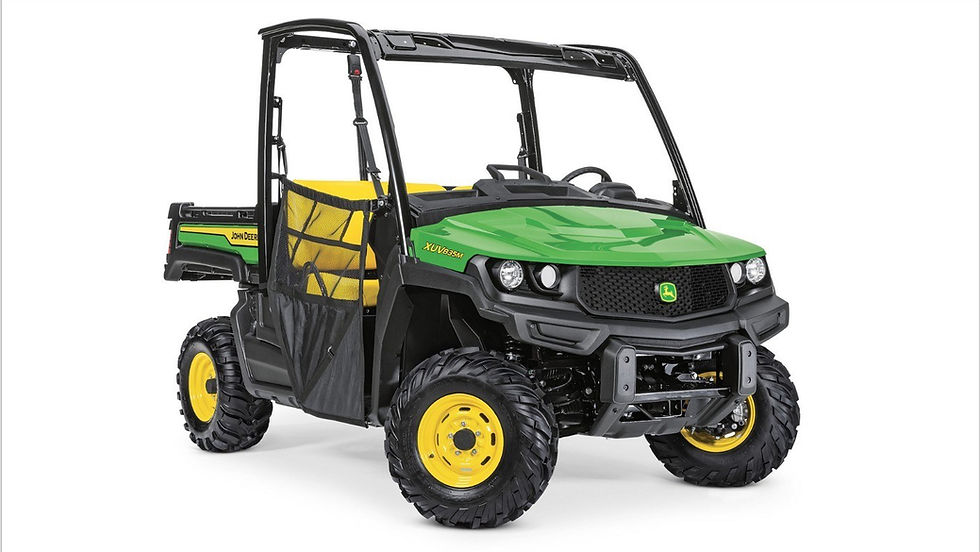
John Deere's dealer network tells a different structural story, one we've covered in more depth in our piece on Bobcat's independent dealer network versus Deere's consolidated dealer groups. Where Kubota and Bobcat lean on a large number of smaller, independently owned dealerships, Deere increasingly reaches contractors through a smaller number of large, multi-state dealer groups, companies like Ag-Pro and Sydenstricker Nobbe that each operate dozens of locations across several states. For a Gator owner, that means the dealer handling your parts order might be part of a much larger organization with centralized inventory and logistics behind it, which can mean faster access to an unusual part even if the specific storefront nearest you doesn't stock it on the shelf.
Many Deere dealers now run online "Shop Deere" parts-ordering portals tied into Deere's backend parts and inventory system, letting an owner search a part number, check availability, and place an order without a phone call. That's a meaningfully different buying experience than walking into a counter and waiting on someone to look a part up in a binder, and it's become the norm across Deere's ag and turf dealer network, which is where Gator parts live.
Genuine Parts vs. Aftermarket: Why It Matters More on a UTV
Both Kubota and Deere push owners toward genuine OEM parts rather than aftermarket substitutes, and on a UTV that's a harder case to argue against than it sometimes is on larger equipment. A UTV's drivetrain, CVT, and suspension components are tuned tightly to the specific chassis and engine combination, more like a small off-road vehicle than a piece of heavy iron with generous tolerances. An aftermarket CVT belt or a generic suspension bushing that's close enough for a skid steer attachment pin is a much bigger gamble on a machine that's regularly running 25 to 40 mph across rough terrain with people on board. That's part of why dealer parts availability matters more for a UTV than it might for, say, a bucket pin on an excavator: you have fewer safe aftermarket shortcuts to fall back on when the dealer counter comes up empty.
What to Actually Ask a Dealer Before You Buy
Does this specific UTV model's parts ship from this location, or from a regional distribution center, and what's the typical lead time for each?
Does the dealer stock wear items specific to this model, CVT belts, hydraulic dump cylinders, fuel filters, on the shelf, or are they special-order?
Is there a loaner or rental UTV available from this dealer while yours is down for a parts-related repair?
For John Deere buyers: does this dealer run an online Shop Deere-style ordering portal, and can you track an order's status without a phone call?
For Kubota buyers: is the dealer part of the wider 1,100-plus U.S. dealer network with MyKubota app support for service history and dealer contact?
Two Different Philosophies, Same Underlying Goal
Neither structure is objectively better, they're optimized for different things. Kubota's larger count of independent dealers means more storefronts, more faces you can get to know personally, and often a shorter physical drive to someone who can put hands on your machine. Deere's consolidated, larger-dealer-group model means more standardized digital ordering, more centralized inventory across a dealer group's footprint, and potentially faster resolution on a part that's not sitting on a specific shelf because the group can pull it from another location in the same network. If you've ever had a good or bad experience with one structure over the other on your excavator or skid steer fleet, that same structural pattern carries over to how fast you'll get a part for your RTV or your Gator.
What This Actually Means for a Contractor's UTV
A UTV breaking a part doesn't usually shut a job down the way a dead excavator does, but it does shut down whatever job the UTV itself was doing: hauling tools, running material, moving a superintendent between work fronts. If that machine is down for three days waiting on a part instead of one, you're either eating the cost of a rental UTV or eating the cost of your crew walking instead of riding. For a contractor running either brand across a multi-month job, it's worth actually asking your dealer, before you buy, how they handle parts for the specific UTV model you're looking at, not just the tractor or skid steer line the dealership is built around. A dealership that's excellent at stocking compact track loader parts isn't automatically excellent at stocking UTV-specific components like CVT belts, hydraulic dump cylinders, or crossover-chassis suspension parts.
Maintenance Intervals and the Parts You'll Actually Need
The parts that actually fail on a UTV in daily jobsite use tend to be predictable: drive belts and CVT components on the gas-powered Sidekick and XUV835M, tires and suspension bushings on both brands given how hard these machines get driven over rough ground, and on the diesel RTV-X1140 and XUV865M, fuel filters and glow plugs that need more deliberate attention than a gas engine's equivalent parts. Knowing which of those parts your specific dealer stocks on-site versus orders in is worth finding out during the sales conversation, not after the machine is down. A dealer who can hand you a CVT belt off the shelf the same day beats a dealer with a lower sticker price but a three-day parts lead time, every time, once you're the one who actually owns the machine.
Trades Where Parts Downtime Actually Costs Money
Not every operation feels UTV downtime the same way. General contractors and site superintendents running large horizontal projects, highway and utility right-of-way crews, and land-clearing or forestry operations covering wide acreage tend to feel it hardest, because the UTV is often the only practical way to move people and tools across a site that a pickup truck can't easily reach. For a roofing or smaller remodeling contractor whose UTV is a nice-to-have rather than the primary way crews move around a tight site, a few days of downtime is an inconvenience. For a 200-acre solar site or a multi-mile pipeline right-of-way, it's a real productivity hit that shows up in the schedule.
UTV Equipment Financing and Dealer Relationships
Your dealer relationship and your financing arrangement don't have to live in separate conversations. BFC Equipment Loans works with contractors buying both Kubota and John Deere equipment nationwide, and part of doing that well is understanding which dealer networks back up which purchases, so you're not just comparing a sticker price, you're comparing the total cost of keeping the machine running for the length of your loan or lease term. A cheaper unit backed by a dealer with a thin parts counter can cost you more in downtime than a slightly pricier unit backed by same-day parts availability.
Whether you're comparing Kubota's RTV-X1140 or the RTV-XG850 Sidekick against John Deere's Gator lineup, review our Kubota equipment financing and John Deere equipment financing pages before you commit, and factor dealer support into the decision the same way you'd factor it into a track loader or backhoe purchase.
Whichever side of this you land on, BFC Equipment Loans structures financing for both the Kubota RTV line and the John Deere Gator lineup, nationwide, not just for the excavator or the track loader sitting next to it on the invoice. Head back to our home page to see the full scope of what we finance, browse our current equipment for sale and financing inventory, or go straight to the equipment financing application if you already know which machine you want. And if you want more honest, spec-driven breakdowns like this one in your inbox, subscribe to the BFC blog.



Comments